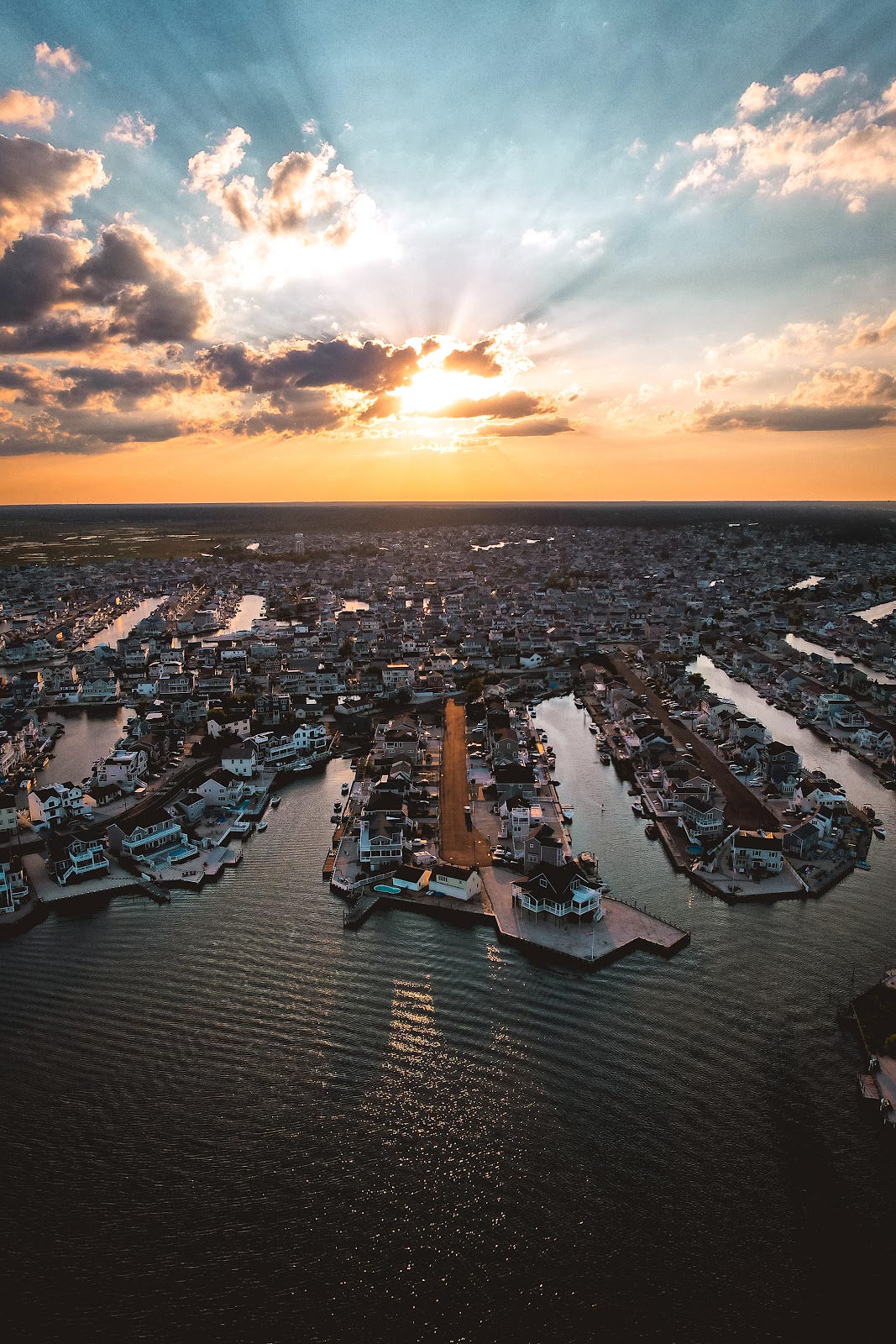
Professional aerial photography demands more than consumer-grade specs, clients expect sharp, color-accurate images they can use in marketing, publications, and large-format prints. Finding the best budget drone for professional photography means balancing image quality with reliability and features that justify your hourly rate. Here’s what I use and recommend for professional aerial work without spending Inspire-level money.
Quick Picks: Best Budget Drones for Professional Work
| Drone | Best For | Price Range |
|---|---|---|
| DJI Air 3 | Best professional value | ~$1,099 |
| DJI Mavic 3 Classic | Best image quality | ~$1,469 |
| DJI Mini 4 Pro | Best portable pro backup | ~$759 |
How We Evaluated for Professional Use
Professional photography demands reliability above all else. I evaluated sensor quality and dynamic range, RAW file flexibility in post-processing, dual-card slots or reliability features, wind resistance for consistent results, and features that speed up paid shoots (waypoints, automated missions, AEB). A drone that crashes or produces inconsistent results loses clients.
Best Professional Value: DJI Air 3
The DJI Air 3 hits the sweet spot for professional aerial photography. Dual cameras (wide + telephoto) mean you can deliver varied perspectives to clients without landing and re-positioning. The 46-minute flight time gives breathing room on paid shoots, and the 48MP RAW files satisfy commercial print and web requirements.
Key Specs: Dual 1/1.3″ sensors, 48MP RAW, 24mm + 70mm equiv, 46-min flight, omnidirectional sensing, waypoint missions.
Why It’s Professional-Grade: The dual cameras are the key differentiator. On a real estate shoot, you capture wide establishing shots and then telephoto detail shots without burning flight time on repositioning. For landscape/nature clients, the 70mm compression creates unique images that justify premium pricing.
Limitations: 1/1.3″ sensors (not 1-inch), no mechanical shutter (potential for rolling shutter in fast panning), 720g requires registration.
Best Image Quality: DJI Mavic 3 Classic
The DJI Mavic 3 Classic carries a 4/3-format Hasselblad camera, a significantly larger sensor than anything else in the budget-professional range. The 20MP files have noticeably better dynamic range and color depth, and Hasselblad’s color science produces images that require less color correction in post.
Key Specs: 4/3 CMOS Hasselblad, 20MP, f/2.8-f/11 adjustable aperture, 46-min flight, omnidirectional sensing, 895g.
Why It’s Professional-Grade: The adjustable aperture (f/2.8 to f/11) lets you control depth of field without ND filters, unique in this class. The larger sensor produces cleaner files at higher ISO for low-light professional work. Hasselblad color profiles mean less time in Lightroom per image.
Limitations: Single camera (no telephoto), 20MP is lower resolution than Air 3’s 48MP, larger/heavier, single-camera limitation means less variety per flight.
Best Portable Backup: DJI Mini 4 Pro
Every professional needs a backup drone, and the DJI Mini 4 Pro is the perfect choice. At 249g, it goes places where larger drones can’t fly (near people, in restricted weight classes), and the 48MP RAW capability means your backup doesn’t compromise on deliverable quality.
Why Professionals Carry It: Sub-249g weight allows flying in more locations legally, it fits in any camera bag as a backup, and the 48MP mode actually out-resolves the Mavic 3 Classic’s 20MP sensor (though with less dynamic range). Multiple professionals I know have made the Mini 4 Pro their primary drone for jobs where portability matters.
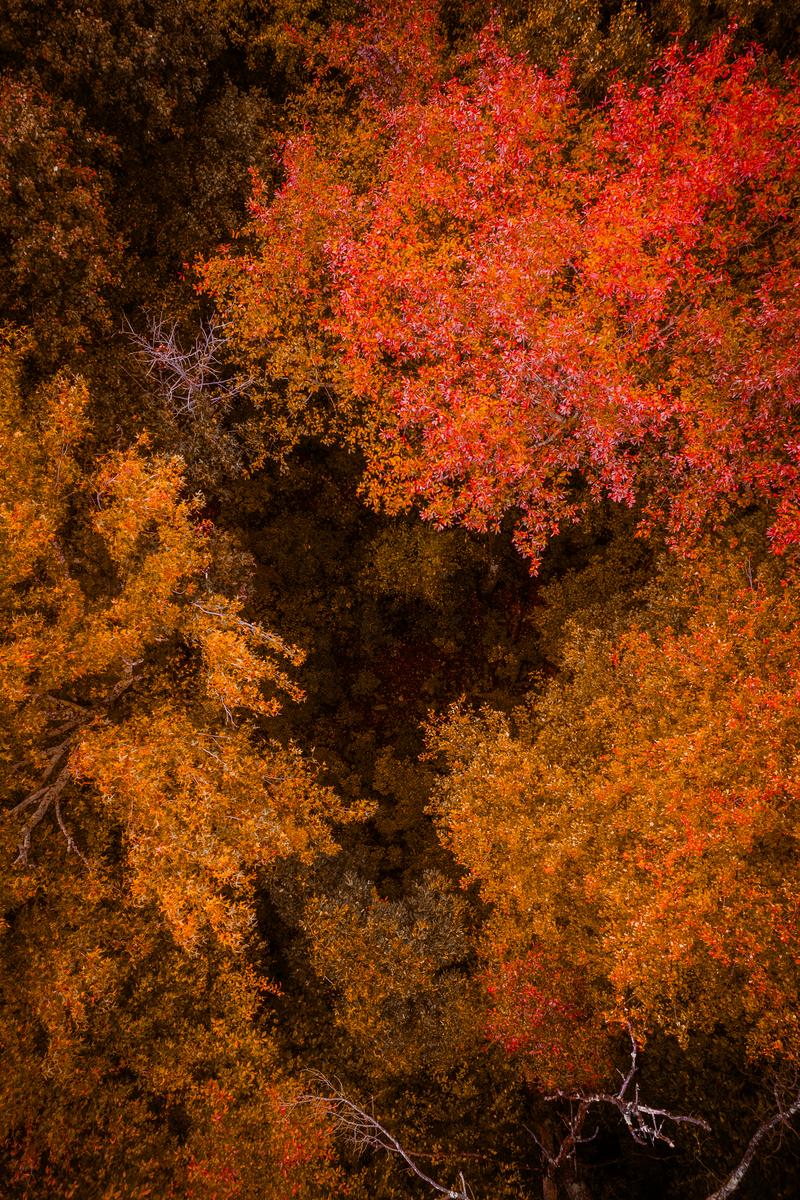
From the Photographer
Aerial S-Curve Road Autumn Forest
An S-curve road winding through peak autumn color
Zeefeldt Photography
. Fine art prints starting at $95
Building a Professional Drone Kit on a Budget
Essential Accessories for Pro Work
Beyond the drone itself, professional aerial photography requires: ND filter set (ND8/16/32/64), extra batteries (minimum 4 for a full shoot day), landing pad, high-endurance microSD cards (V30 rated, multiple for redundancy), tablet holder for the controller, and a weatherproof carrying case. Budget $200-300 for these essentials.
Part 107 Certification
If you’re charging for aerial photography in the US, you legally need an FAA Part 107 Remote Pilot Certificate. The test covers airspace, weather, regulations, and operations. Most people pass with 1-2 weeks of study using free online resources. The test fee is $175.
Insurance
Professional liability insurance for drone operations typically costs $500-1,000/year or $10-30 per flight through on-demand providers. Many clients and locations require proof of insurance before you fly. This is a business expense, not optional.
Many drone photographers also shoot handheld video, our guide to the best budget mirrorless camera for video covers the best affordable options.
Wedding photographers will also want to check our best budget drone for wedding photography picks.
Frequently Asked Questions
What is the best budget drone for professional photography?
The DJI Air 3 offers the best value for professional aerial photography with its dual cameras (wide + telephoto), 48MP RAW files, 46-minute flight time, and omnidirectional obstacle avoidance at ~$1,099. For maximum image quality, the Mavic 3 Classic’s Hasselblad 4/3 sensor is worth the step up to ~$1,469.
Can I use a budget drone for commercial photography?
Yes, the DJI Air 3 and Mini 4 Pro produce images that meet commercial print and web standards. Many professional photographers use these exact drones for paid real estate, landscape, construction, and event aerial photography. You need an FAA Part 107 certificate for commercial use in the US.
Do I need a Hasselblad drone for professional work?
No, the Hasselblad branding on the Mavic 3 Classic indicates a larger sensor and refined color science, which is nice but not essential. The DJI Air 3’s dual 48MP cameras produce excellent professional results. The Hasselblad advantage is most noticeable in difficult lighting and when minimal post-processing is desired.
How much can I earn with drone photography?
Professional drone photographers typically charge $150-500 per session for real estate, $300-1,000 for events, and $500-2,000+ for commercial/advertising work. Rates vary by market, experience, and deliverables. A DJI Air 3 investment (~$1,400 with accessories) can pay for itself in 3-5 professional sessions.
What insurance do I need for professional drone photography?
At minimum, you need drone liability insurance covering $1M in property damage and bodily injury. Annual policies cost $500-1,000 through providers like SkyWatch or Verifly. Many clients, venues, and FAA waivers require proof of insurance. Some homeowner’s policies don’t cover drone operations, always verify.
Final Verdict
The DJI Air 3 is the best budget drone for professional photography, dual cameras, long flights, and 48MP RAW files deliver client-ready results. The Mavic 3 Classic is worth the upgrade if image quality is your primary selling point. And every professional should carry a Mini 4 Pro as a compact, capable backup that goes where larger drones can’t.
Browse more nature photography tutorials, gear reviews, and field tips.
Download our guide: exposure, ISO, and aperture strategies for every light condition and terrain.
We respect your inbox. One guide, occasional tips, unsubscribe anytime.
Related Guides
 Best Polarizing Filters for Nature Photography (2026): 6 CPL Filters Compared
 Best Camera Backpacks for Hiking & Nature Photography (2026): 7 Tested Picks
 Best Tripods for Landscape Photography (2026): 7 Picks From Budget to Pro
 Best Digiscoping Adapters for Wildlife Photography (2026): 6 Picks for Extreme Reach on a Budget