Mirrorless has completely taken over from DSLR, and the under-$1000 mirrorless market is genuinely excellent for landscape photography. The cameras below combine weather sealing, excellent dynamic range, and strong lens ecosystems, everything a landscape photographer needs at a real-world budget.
Top 3 Picks
- Best Overall: Sony a6700. 26MP BSI sensor, 5-axis IBIS, weather sealed
- Best Color Rendering: Fujifilm X-S20. Film simulations, superb tonal rendering, deep battery
- Best Resolution: Canon EOS R7. 32.5MP, dual card slots, weather sealed
1. Sony a6700. Best Technical Performance Under $1000
The Sony a6700 is the benchmark for APS-C mirrorless in 2026. Its BSI (backside-illuminated) 26MP sensor delivers the best dynamic range in this price range, critical for landscape photography where you’re balancing bright sky against dark foreground. In real-world testing, you can pull 4+ stops of shadow detail in RAW files without significant noise, which means you don’t always need a graduated ND filter for moderately contrasty scenes. The 5-axis IBIS is effective and the weather sealing handles light rain without issue. The E-mount lens ecosystem is the deepest available.
Key specs: 26MP BSI APS-C | 5-axis 5-stop IBIS | Weather sealed | E-mount | AI AF
2. Fujifilm X-S20. Best Rendering and Handling Under $1000
Fujifilm’s color science is legitimately different from Sony and Canon, the film simulation modes, especially Velvia and Classic Chrome, produce JPEG output that landscape photographers love. For photographers who want to minimize post-processing and shoot JPEGs, the X-S20 is unmatched. The 26MP X-Trans sensor has a unique color filter array that renders foliage, water, and sky textures differently from Bayer sensors, more film-like, with subtler microcontrast. The 740-shot battery life is significantly better than Sony’s a6700. Physical dials for key exposure settings make field adjustment fast.
Key specs: 26MP X-Trans APS-C | 5-axis IBIS | Film simulations | 740-shot battery | X-mount
From the Photographer
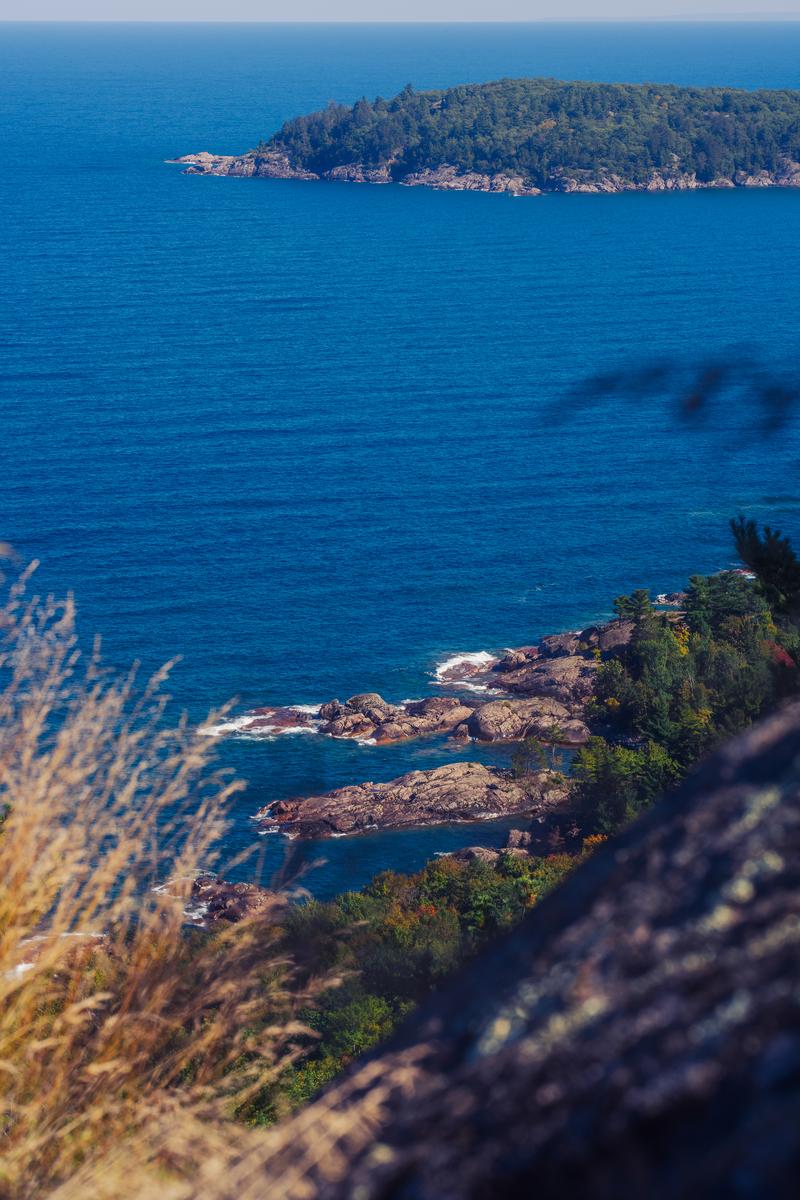
Sugarloaf Mountain View
Sweeping view from Sugarloaf Mountain
Zeefeldt Photography. Fine art prints starting at $95
3. Canon EOS R7. Best Resolution Under $1000
32.5MP is the highest resolution available in APS-C mirrorless under $1000, and for landscape photographers who print large or want to crop extensively, that matters. The EOS R7 is weather-sealed to the same spec as Canon’s professional bodies, has dual card slots (professional feature at a prosumer price), and uses Canon’s latest Digic X processor. The RF mount system is young but growing fast. Canon has released excellent wide-angle and landscape-optimized RF-S lenses. If you’re a Canon shooter or prioritize maximum file resolution for large prints, the R7 is the clear choice.
Key specs: 32.5MP APS-C | Dual card slots | Weather sealed | RF mount | Canon Digic X
Frequently Asked Questions
Should I buy APS-C or full-frame for landscape photography?
APS-C cameras under $1000 match full-frame performance at base ISO for landscape photography. The difference only becomes meaningful at high ISOs (above 1600) or when using ultra-wide lenses. For tripod landscape work in good light, the APS-C cameras above are indistinguishable from full-frame in final prints up to 20×30″.
Is weather sealing important for a landscape camera?
Very much so, landscape photographers regularly work in rain, near waterfalls, and in humid environments. All three cameras above offer weather sealing. The Sony a6700 and Canon EOS R7 are particularly robust. Even “weather sealed” cameras aren’t waterproof, so a rain cover for extended wet sessions is worthwhile.
Frequently Asked Questions
What is the best camera for landscape photography under $1,000?
The best camera for landscape photography under $1,000 depends on your specific needs, but key factors include sensor size, autofocus performance, weather sealing, and battery life. Our top picks balance image quality with value, making them ideal for photographers at every level.
Do I need a full-frame camera for landscape photography?
Not necessarily. APS-C and Micro Four Thirds cameras offer excellent image quality for landscape photography at a lower cost. Full-frame sensors provide better low-light performance and shallower depth of field, but modern crop-sensor cameras can produce stunning results.
What features should I look for when buying a camera for photography?
Look for a camera with a large sensor (APS-C or full-frame), reliable autofocus, at least 24MP resolution, weather sealing if shooting outdoors, good battery life, and compatibility with the lenses you plan to use.
Browse more nature photography tutorials, gear reviews, and field tips.
Download our guide: exposure, ISO, and aperture strategies for every light condition and terrain.
We respect your inbox. One guide, occasional tips, unsubscribe anytime.