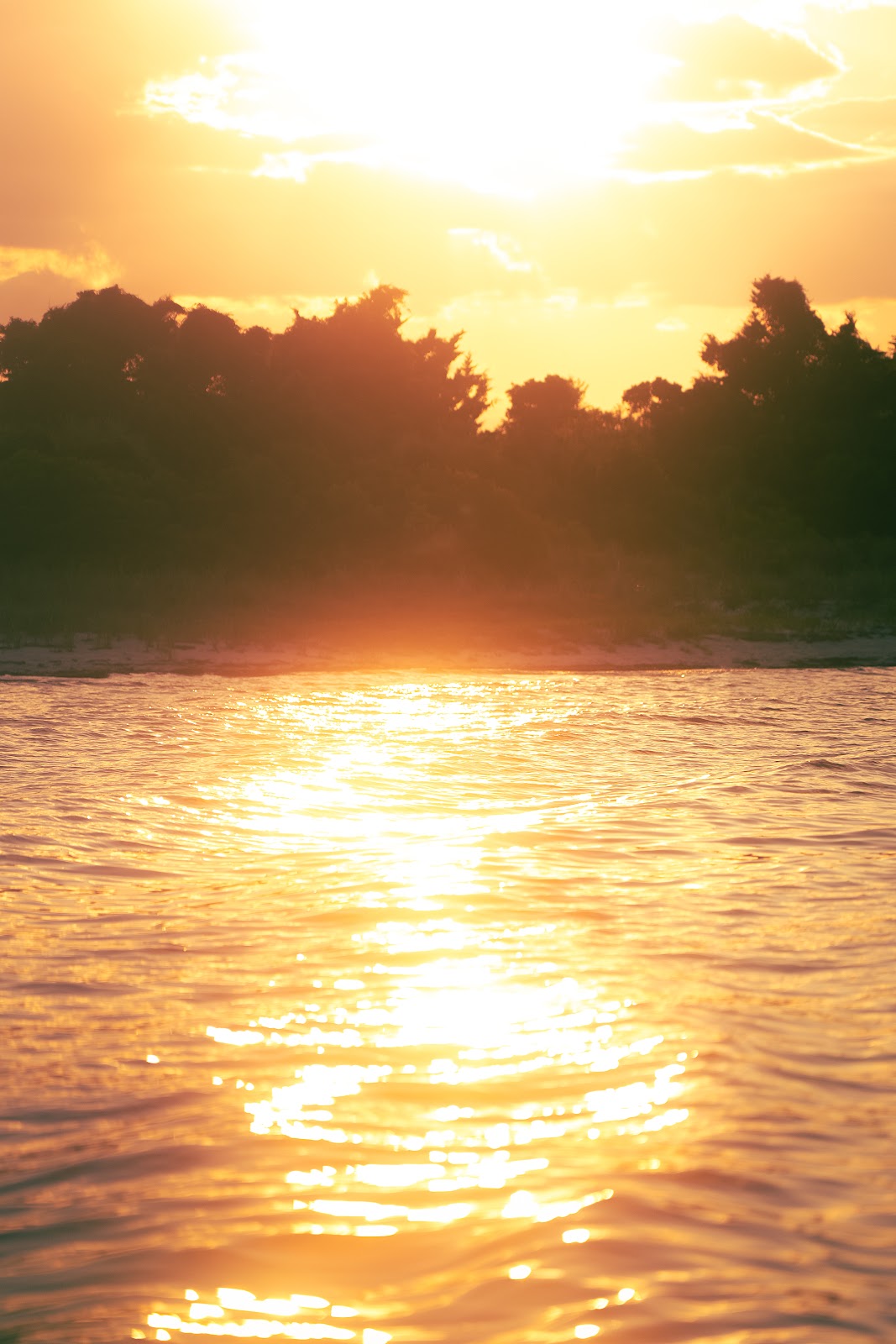
Neutral density filters are one of those pieces of gear that seem confusing until the moment you actually use one, then they become indispensable. Whether you’re trying to get silky waterfall shots at noon, shoot wide-open in bright sunlight, or turn a 30-second exposure into a minimalist seascape with blurred clouds, ND filters are the tool that makes it possible.
This guide explains exactly what ND filters do, decodes the confusing stop/number labeling system, and tells you which densities are actually worth buying for the kind of photography you’re doing.
What Does a Neutral Density Filter Do?
An ND filter is essentially sunglasses for your lens. It reduces the amount of light entering the camera uniformly across all wavelengths, hence “neutral” (it shouldn’t change color). By reducing incoming light, it forces you to use a wider aperture, higher ISO, or slower shutter speed to achieve correct exposure. Most of the time, you’re using it to allow a slower shutter speed in conditions that would otherwise be too bright.
Understanding ND Filter Stops: The Naming Confusion
ND filter strength is measured in stops, but manufacturers label them three different ways, which causes endless confusion. Here’s the translation table:
| Stop Reduction | ND Number | Optical Density | Transmission % |
|---|---|---|---|
| 1 stop | ND2 | 0.3 | 50% |
| 2 stops | ND4 | 0.6 | 25% |
| 3 stops | ND8 | 0.9 | 12.5% |
| 6 stops | ND64 | 1.8 | 1.6% |
| 10 stops | ND1000 | 3.0 | 0.1% |
| 15 stops | ND32000 | 4.5 | 0.003% |
The most important ones to understand are the ND64 (6-stop) and ND1000 (10-stop), these are what most landscape photographers use most often.
Which ND Filter Density Do You Need?
ND2–ND8 (1–3 Stops): Subtle Exposure Control
These low-density filters are used for subtle exposure adjustments, shooting a portrait wide-open in bright sun, or getting a slightly longer shutter than you’d otherwise have. They’re useful but not exciting. If you’re just starting out with ND filters, skip these and go straight to a 6-stop.
ND64 (6-Stop): The All-Purpose Landscape Filter
This is the most versatile ND filter for landscape photography. In bright daylight, a 6-stop ND typically gets you to shutter speeds in the 1–4 second range, perfect for silky waterfalls and moving water that still shows texture. On overcast days, it can get you into 15–30 second territory. This is the first ND filter worth buying.
Breakthrough Photography X4 ND64 77mm | Kase Wolverine ND64
ND1000 (10-Stop): The Long Exposure Filter
Ten stops of reduction transforms most daytime conditions into multi-second or multi-minute exposures. Clouds blur into streaks, water becomes mist, people disappear from busy city scenes, and waves turn into fog. This is the filter for dramatic minimalist images. At midday in summer sun, you can still achieve 30–120 second exposures.
Breakthrough Photography X4 ND1000 77mm | NiSi ND1000 Pro Nano
Advertisement
Variable ND (ND2-400 or similar): Convenient but Compromised
Variable ND filters let you dial in different densities without swapping filters. They sound ideal, but they have real drawbacks: most show an “X” pattern (cross polarization artifact) at their strongest settings, they typically soften images slightly, and they can’t achieve the same extreme densities as fixed NDs. Use them for video or casual shooting, not for serious landscape work.
Tiffen Variable ND | PolarPro Peter McKinnon Variable ND
ND32000 (15-Stop): Extreme Long Exposure
For shooting in very bright conditions with multi-minute exposures, smooth ocean shots at noon, architectural shots where you want people to disappear entirely. These are specialty tools, not everyday carry. Get comfortable with a 10-stop before going here.
Best ND Filters Worth Buying
| Filter | Stops | Color Cast | Price |
|---|---|---|---|
| Breakthrough Photography X4 ND | 3/6/10 available | Virtually none | ~$100–130 |
| NiSi ND Pro Nano | 3/6/10/15 available | Minimal, slight warm | ~$80–120 |
| Kase Wolverine ND | 3/6/10 available | Minimal | ~$75–110 |
| Hoya ProND | 4/8/16/32/64/1000 | Slight cool | ~$60–90 |
| B+W ND MRC nano | 3/6/10 available | Minimal | ~$80–100 |
| Tiffen ND (entry) | Various | Noticeable | ~$30–60 |
Breakthrough Photography X4 ND Kit (3+6+10 Stop) | NiSi ND Filter Kit
ND Filter Systems: Round vs. Square
Round (Screw-In) Filters
Screw directly onto the lens’s filter thread. Compact, simple, affordable. Limitation: you need one per lens size (or use step-up rings), and you can’t stack them with graduated ND filters easily. Best for starting out and for single-lens kits.
Square Filter Systems (100mm or 150mm)
A square system uses a filter holder that mounts to your lens, accepting 100mm or 150mm square/rectangular filters. Advantage: one set of filters works across multiple lenses with different adapter rings. You can stack ND + GND easily. Limitation: upfront cost for the holder system, bulkier to carry. Best for serious landscape photographers working with multiple lenses.
NiSi 100mm V7 Filter System | Lee Filters Foundation Kit | Kase Armour 100mm System
Calculating Exposure with an ND Filter
Each stop of ND doubles your exposure time. So if your base exposure without the filter is 1/500s and you add a 10-stop ND:
- Start: 1/500s
- +1 stop: 1/250s
- +2 stops: 1/125s
- +4 stops: 1/30s
- +7 stops: 1/4s
- +10 stops: 2 seconds
Many smartphones have free ND exposure calculators. PhotoPills, ND Calc, and Exposure Calculator all work well. Or just use the table above to count stops manually.
Frequently Asked Questions
Do I need both a 6-stop and 10-stop ND filter?
If you can only buy one, get the 6-stop (ND64). It’s the most versatile for typical landscape work. Add the 10-stop when you want to shoot smoother, longer exposures, seascapes, cloudscapes, and city scenes with moving people are where the 10-stop shines. Many photographers eventually end up with both.
Can you use ND filters for video?
Absolutely. ND filters are essential for video work. The 180-degree shutter rule means your shutter speed should be roughly double your frame rate (e.g., 1/50s for 25fps). In bright conditions, this forces you to shoot at f/16 or higher, which looks terrible. An ND filter lets you maintain your preferred aperture and shutter speed in bright light.
Why do ND filters sometimes make images look orange or blue?
Cheap ND filters use lower-quality glass that absorbs different wavelengths unevenly, causing a color cast. The solution is buying better filters. Breakthrough Photography, NiSi, B+W, and Kase all offer filters with minimal color cast. Alternatively, set a custom white balance with the ND filter on before shooting.
Browse more nature photography tutorials, gear reviews, and field tips.
Download our guide: exposure, ISO, and aperture strategies for every light condition and terrain.
We respect your inbox. One guide, occasional tips, unsubscribe anytime.
Related Guides
 Best Polarizing Filters for Nature Photography (2026): 6 CPL Filters Compared