A lightweight tripod that’s also stable is the holy grail of landscape photography. You’re often hiking to the shot, so every pound matters, but you need rock-solid stability for long exposures and high-resolution landscape files. Here are the tripods that get the balance right.
Top 3 Picks
- Best Overall: Peak Design Travel Tripod Carbon. Most packable, premium build, excellent stability
- Best Value: Manfrotto Befree Advanced. Field-proven stability, lever locks, 1.25kg
- Best Budget: Neewer Carbon Fiber Tripod. Excellent stability-to-price ratio, fluid head
1. Peak Design Travel Tripod Carbon. Best Packable Landscape Tripod
I’ve carried the Peak Design Travel Tripod on multi-day hiking trips and it’s transformed how I approach landscape photography. The folded length of just 39cm lets it fit inside a standard 25-35L hiking pack, no more strapping it to the outside where it catches on branches and unbalances your pack. At 1.27kg it’s light enough that you forget it’s there. Deployed, the 60″ height and 20kg load capacity deliver the stability needed for 1-second and longer exposures at base ISO. The integrated ball head is precise and the Arca-Swiss compatible plate fits most quick-release systems. The price is steep, but it’s the tripod I consistently bring when weight matters.
Key specs: Carbon fiber | 60″ height | 20kg load | 39cm folded | 1.27kg | Integrated Arca-Swiss head
2. Manfrotto Befree Advanced. Best Field-Proven Lightweight
The Manfrotto Befree Advanced has been the field standard for travel and hiking photographers for years, for good reason. At 1.25kg it’s genuinely lightweight, the 4-section carbon legs fold to 43cm, and the lever-lock system deploys fast. Manfrotto’s build quality is professional-grade; this tripod takes real-world abuse without complaint. For landscape photographers who want reliability above all else, the Befree Advanced delivers. The maximum height of 59″ is adequate for most shooting positions without center column extension. A solid choice for anyone who doesn’t want to spend Peak Design money but wants a quality tripod that will last years.
Key specs: Carbon fiber | 59″ max height | 10kg load | 43cm folded | 1.25kg | Arca-Swiss plate
From the Photographer
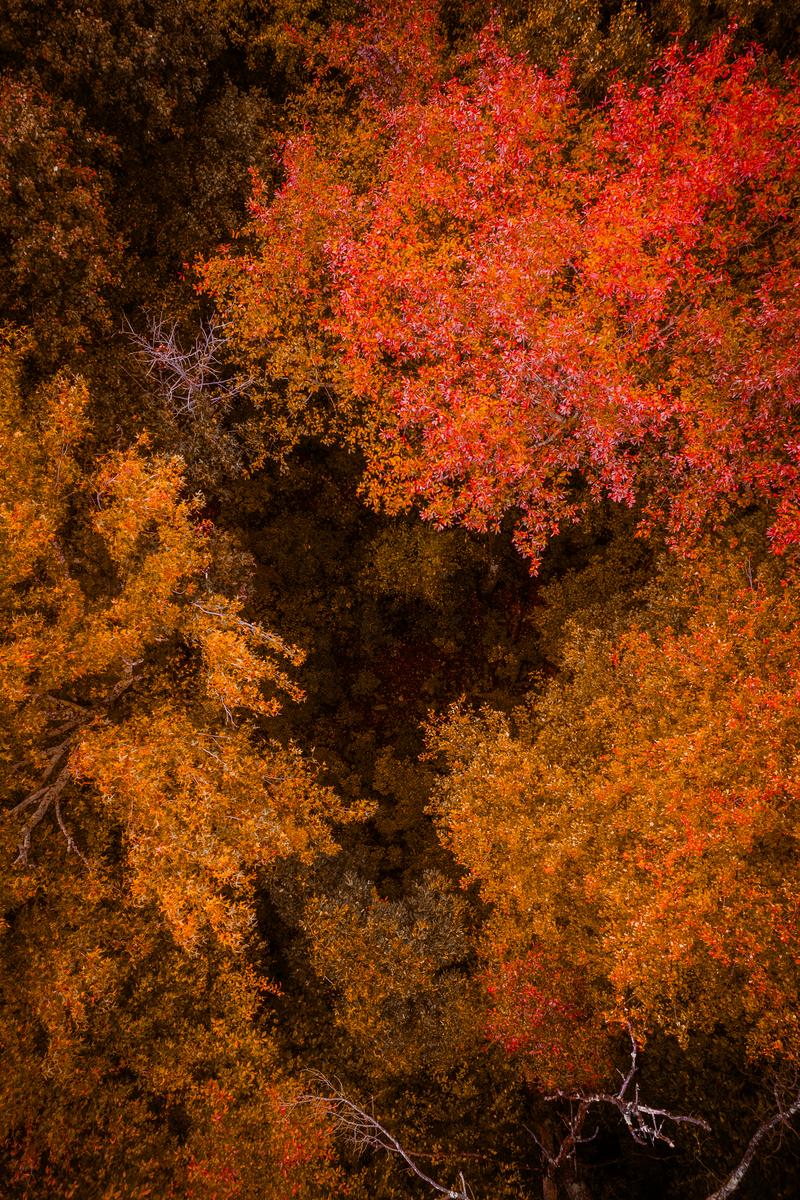
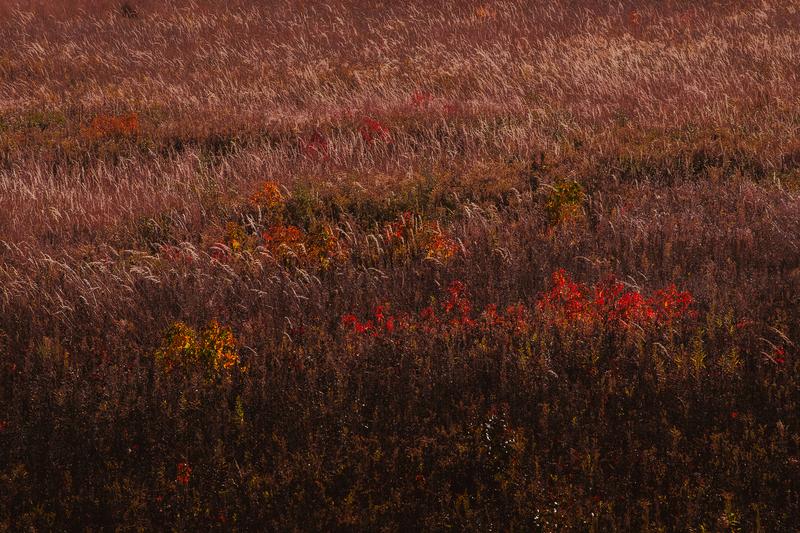
Autumn Meadow Golden Grasses
A quiet autumn meadow bathed in golden light
Zeefeldt Photography. Fine art prints starting at $95
3. Neewer 78-inch Carbon Fiber Tripod. Best Value Lightweight
The Neewer carbon fiber tripod with fluid head delivers impressive value for budget-conscious landscape photographers. The 78″ maximum height is actually an advantage for landscape work, you can compose from standing eye level, which reduces center column use and improves stability. The fluid head provides smooth panning for waterfall and wave shots. At 2.1kg it’s heavier than the Peak Design and Manfrotto, but for shorter hikes or car-accessible locations, the stability and 78″ height are genuine advantages. For photographers prioritizing maximum height and stability over packability, this is the value pick.
Key specs: Carbon fiber | 78″ max height | Fluid head | 8kg load | 2.1kg | One-step QR plate
Buyer’s Guide: Lightweight Tripod Priorities
For hiking landscape photography, the key trade-off is weight vs. stability. Carbon fiber is the standard choice, it’s lighter than aluminum and damps vibration better. For long exposures (1-30 seconds), stability matters most: look for 4+ section legs, no center column extension required at working height, and a quality head with no creep. Twist locks (like on the Peak Design) or lever locks (like Manfrotto) both work well, it’s preference. Legs that extend to a low-angle shooting position add versatility for foreground compositions.
Frequently Asked Questions
How light is too light for a landscape tripod?
Tripods under 1kg are often too light to be stable in wind, with heavy lenses, or on uneven terrain. The 1.1-1.5kg range (all three picks above) is the practical sweet spot for hiking landscape photography, light enough to carry without sacrifice, heavy enough to hold steady in field conditions. If you regularly shoot in wind, look for additional leg stability features like a center column hook for hanging your bag as a counterweight.
What tripod head is best for landscape photography?
A quality ball head is the best choice for most landscape photography, it gives full freedom of movement with a single lock, is compact and lightweight, and handles all standard landscape compositions. The Peak Design and Manfrotto Befree both include excellent ball heads. If you do a lot of panoramic photography, a pan-tilt head or nodal slide adds value, but a ball head handles 95% of landscape situations.
Frequently Asked Questions
What should I look for in the best tripod for landscape photography?
For for landscape photography, prioritize stability, weight, and maximum load capacity. Look for carbon fiber construction for lightweight strength, ball heads with Arca-Swiss compatibility, and a minimum height that lets you shoot at ground level. Weather resistance is a bonus.
How much weight can a photography tripod hold?
Most photography tripods have a rated load capacity of 10–30 lbs (4.5–13.5 kg), though This guide recommends staying at 70% of the rated maximum for stability. A standard mirrorless camera with a telephoto lens weighs 3–6 lbs, so even a mid-range tripod is sufficient.
Is a carbon fiber tripod worth the extra cost?
Carbon fiber tripods are worth the investment if you hike or travel frequently. They weigh 30–40% less than aluminum equivalents while offering superior vibration dampening. For studio use, aluminum tripods offer better value.
Browse more nature photography tutorials, gear reviews, and field tips.
Download our guide: exposure, ISO, and aperture strategies for every light condition and terrain.
We respect your inbox. One guide, occasional tips, unsubscribe anytime.