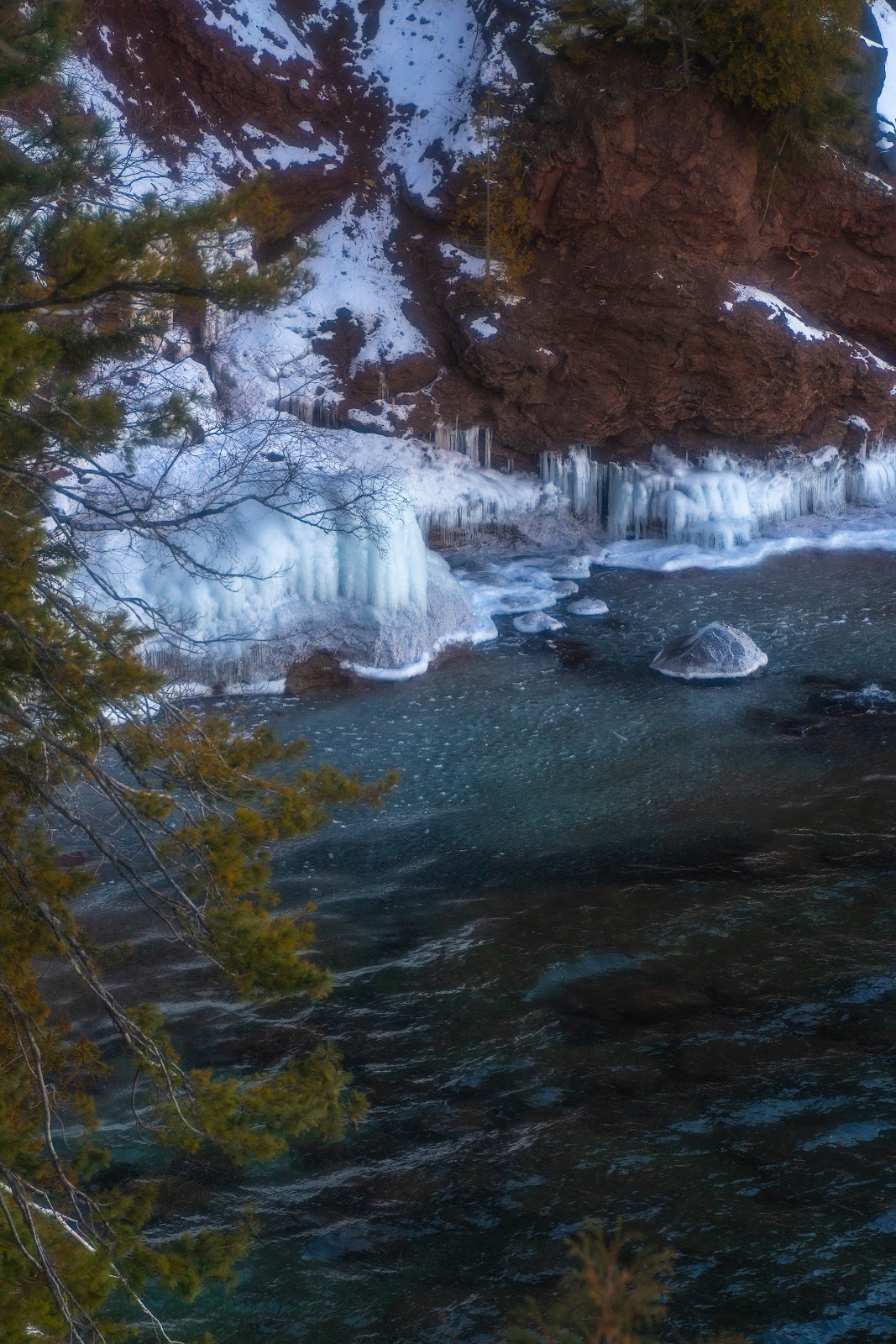
Every spring, as temperatures climb above freezing, something magical happens across North America. Snowmelt surges down mountainsides, fills creeks to overflowing, sends waterfalls roaring, and floods low-lying trails with mirror-flat reflections. For photographers, this two-to-four-week window is one of the most dramatic and underrated shooting seasons of the entire year, and most photographers miss it entirely.
This guide covers the gear, settings, and locations to make the most of snowmelt season before it disappears.
When Does Snowmelt Peak?
Snowmelt timing varies dramatically by region and elevation:
- Low elevation (below 2,000 ft): Mid-February through March in most of the US
- Mid elevation (2,000–5,000 ft): March through April
- High elevation (5,000+ ft): May through June, sometimes July in the Rockies and Sierra Nevada
- Upper Midwest and Great Lakes: Late March through early April, rivers and streams run highest right now
In 2026, the Upper Midwest snowpack has been above average. Expect peak runoff in the Great Lakes region and northern Michigan in late March through mid-April.
Why Snowmelt Makes for Incredible Photos
Still, icy water rushing over rocks. Waterfalls at peak flow. Flooded forest floors reflecting bare trees. Ice shelves breaking apart over rushing water. Brown and gold last-year’s grass lit by low spring sun. These are scenes that don’t exist any other time of year, and they photograph beautifully.
The combination of dynamic water movement, fresh light, and winter-into-spring transition creates images that feel both raw and hopeful. They sell well as prints. They perform well on social media. And they’re genuinely rare.
Essential Gear for Snowmelt Photography
Tripod. Non-Negotiable
Long-exposure water shots require a stable platform. Spring mud and wet rocks are brutal on cheap tripods, the legs sink, the platform shifts, and you lose your frame. Invest in something with solid leg locks and rubber feet.
| Tripod | Best For | Price |
|---|---|---|
| Gitzo GT1545T Series 1 | Serious waterfall work, ultra-rigid | ~$700 |
| K&F Concept 64″ Carbon Fiber | Best budget carbon fiber option | ~$100 |
| Manfrotto MT190XPRO4 | Mid-range workhorse, great in mud | ~$200 |
| Joby GorillaPod 5K | Low water-level shots off rocks | ~$90 |
K&F Concept Carbon Fiber Tripod | Joby GorillaPod 5K
ND Filters for Silky Water
To get that classic silky waterfall look, you need a slow shutter speed, typically 0.5s to 4 seconds. In bright spring light, even at f/16 and ISO 50, you often can’t get slow enough without a neutral density filter. A 6-stop (ND64) or 10-stop (ND1000) ND filter is essential for spring waterfall work.
- Breakthrough Photography X4 ND. Check price on Amazon →, best color neutrality, no color cast
- Kase Wolverine ND. Check price on Amazon →, magnetic system, fast swaps in the field
- Tiffen Black Pro-Mist + ND combo. Check price on Amazon →, adds dreamy glow to water highlights
Circular Polarizing Filter
A CPL is your best friend for spring water photography. It cuts glare off wet rocks and the water surface, revealing the texture underneath. It also deepens blue sky tones in any sun breaks. Stack it with an ND filter for maximum control.
Fine Art Nature Prints
Zeefeldt Photography
Museum-quality landscape, wildlife, and macro prints, from $95. Ships ready to hang.
Weather-Sealed Camera Body
Snowmelt locations are wet. Spray from waterfalls, splashing through shallow crossings, condensation from cold water meeting warm spring air, your camera will get wet. At minimum, use a rain sleeve. Ideally, shoot with a weather-sealed body.
| Camera | Weather Sealing | Price |
|---|---|---|
| Sony a7 IV | Excellent, used by pros in heavy rain | ~$2,500 |
| Nikon Z6 III | Excellent, magnesium alloy + seals | ~$2,500 |
| OM System OM-5 | IP53 rated, genuinely waterproof | ~$1,000 |
| Fujifilm X-T5 | Very good, handles spray well | ~$1,700 |
OM System OM-5 | Fujifilm X-T5
Waterproof Footwear
This sounds like gear advice for hikers, not photographers, but your shooting position is everything at spring water locations. If your feet are soaking wet, you leave early. If you have waterproof boots, you wade out to that perfect mid-stream rock and stay as long as the light lasts.
- Muck Boot Chore Mid. Check price on Amazon →, cheap, rubber, waterproof to the knee
- Bogs Classic Mid Boot. Check price on Amazon →, insulated for cold spring streams
- Simms Freestone Wading Boots. Check price on Amazon →, if you’re serious about in-stream positions
Camera Settings for Waterfall & Runoff Photography
For Silky, Flowing Water
- Shutter speed: 0.5s – 4s (longer = silkier)
- Aperture: f/8 – f/11 (sweet spot for sharpness)
- ISO: 50–100 (lowest native ISO)
- Use ND filter to achieve this in bright conditions
- Remote shutter release to avoid camera shake
For Frozen, Dynamic Water
- Shutter speed: 1/1000s or faster
- Aperture: f/4 – f/5.6
- ISO: whatever it takes to get proper exposure
- Continuous autofocus for moving subjects
Best Spring Runoff Locations to Photograph
- Pictured Rocks National Lakeshore, MI, waterfalls peak in April; Miners Falls and Munising Falls are spectacular at snowmelt
- Cascade Range, WA/OR, dozens of roadside waterfalls hit peak flow March–May
- Great Smoky Mountains, TN/NC. Laurel Falls and dozens of backcountry cascades run highest in March
- Yosemite Valley, CA. Yosemite and Bridalveil Falls are at their most powerful March–May during high snowpack years
- Adirondacks, NY, remote waterfall hunting season runs April through May
Safety Notes
Snowmelt season is genuinely dangerous. Stream crossings that are ankle-deep in August become chest-deep and swift in April. Check water levels before heading out (USGS waterdata.usgs.gov has real-time gauge data for most major streams). Never cross moving water above your knees without knowing the footing. And always tell someone where you’re going.
Frequently Asked Questions
What shutter speed do I need for silky waterfall photos?
Typically 0.5–4 seconds. The slower the shutter, the silkier and more blurred the water becomes. Use an ND filter in bright conditions to achieve these slow speeds without overexposing.
Do I need an ND filter for waterfall photography?
In most daylight conditions, yes. Without one, even at your camera’s lowest ISO and smallest aperture (f/16–f/22), you’ll often still be at 1/30s or faster, not slow enough for a silky look and potentially introducing diffraction softness at f/22.
What focal length is best for waterfall photography?
Wide angles (16–35mm) work well for tall waterfalls where you want to show scale and environment. A mid-range zoom (24–70mm) is the most versatile all-around choice. Telephoto can compress foreground rocks and water in interesting ways.
Browse more nature photography tutorials, gear reviews, and field tips.
Download our guide: exposure, ISO, and aperture strategies for every light condition and terrain.
We respect your inbox. One guide, occasional tips, unsubscribe anytime.
Related Guides
 How to Photograph the Milky Way: Settings, Planning & Post-Processing
 Mastering Long Exposure Photography: A Complete Guide to Silky Water & Dramatic Skies
 How to Photograph Waterfalls: Getting Silky Smooth Water with the Right Settings
 How to Photograph in Fog: Camera Settings and Techniques for Misty Landscapes