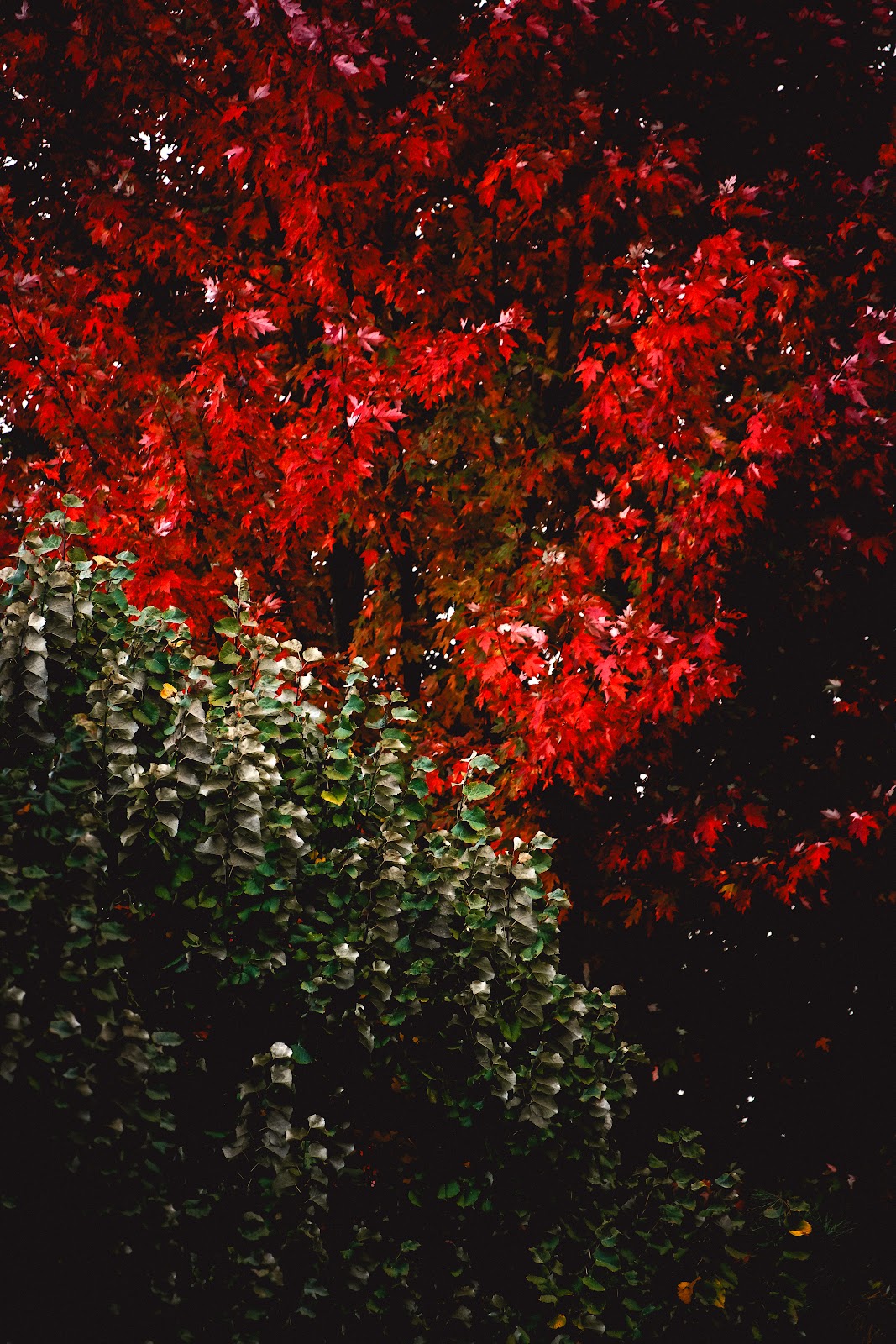
Spring is arguably the best season for landscape photography, and also the most demanding on your gear. You’re dealing with mud, rain, wind, sudden snow, cold fingers, rapidly changing light, and locations that look completely different from how they looked six months ago. The right kit for spring landscape work isn’t just about image quality. It’s about gear that can handle the conditions and keep you in the field longer.
This guide covers everything worth bringing for spring landscape photography, from cameras and lenses to the small accessories that make a huge difference when you’re standing knee-deep in a flooded marsh at 6am.
Camera Body: What Matters Most for Spring Landscapes
High resolution and weather sealing are your two priorities. Spring landscape photography rarely demands fast autofocus or burst rates, you’re mostly working with a tripod and deliberate compositions. What you want is maximum detail in your files and the confidence to shoot in rain without babying your gear.
| Camera | Resolution | Weather Sealing | Price |
|---|---|---|---|
| Sony a7R V | 61MP | Excellent | ~$3,500 |
| Nikon Z8 | 45.7MP | Excellent | ~$4,000 |
| Canon EOS R5 II | 45MP | Excellent | ~$4,300 |
| Fujifilm GFX 50S II | 51.4MP medium format | Good | ~$4,000 |
| Fujifilm X-T5 | 40MP APS-C | Very good | ~$1,700 |
| OM System OM-5 | 20MP, but IP53 waterproof | Best-in-class | ~$1,000 |
Sony a7R V | Fujifilm X-T5 | OM System OM-5
Lenses for Spring Landscapes
Ultra-Wide (14–24mm). For Scale and Drama
Spring landscapes beg for wide angles. A field of emerging green, storm clouds over a ridge, a waterfall surrounded by blooming trees, these scenes need a lens that can capture the sweep of it. The 14-24mm range is your workhorse for establishing shots.
- Sony FE 14mm f/1.8 GM. Check price on Amazon →, razor sharp corners, barely distorts, great for star trails too
- Nikon Z 14-24mm f/2.8 S. Check price on Amazon →, superb sharpness, accepts front filters
- Tamron 17-28mm f/2.8 Di III RXD. Check price on Amazon →, best value wide zoom for Sony E-mount
Standard Zoom (24–70mm). Your Everyday Companion
The 24-70mm f/2.8 is the lens you’ll actually shoot 60% of your spring images with. It covers everything from environmental portraits to mid-range landscape compositions to detail shots.
Sony FE 24-70mm f/2.8 GM II | Canon RF 24-70mm f/2.8 L IS USM
Telephoto (100–400mm). For Compression and Selective Focus
Spring telephoto landscapes are vastly underrated. Compressing layers of mountains, isolating a lone tree in bloom, stacking rows of blooming orchards, a telephoto zoom creates landscape images that stand out in a world full of wide-angle shots.
Sony 100-400mm GM OSS | Nikon Z 100-400mm VR S
Advertisement
Filters: What You Actually Need
Circular Polarizer (CPL)
Essential for spring. Cuts glare off wet leaves, deepens blue sky, removes reflections from water surfaces, and adds punch to spring color saturation. Buy the best you can afford, cheap CPLs introduce color casts and reduce sharpness.
B+W XS-Pro Circular Polarizer | Breakthrough Photography X4 CPL
Neutral Density (ND) Filters
For long exposures at waterfalls, streams, and waves. A 6-stop (ND64) handles most daytime conditions. A 10-stop (ND1000) lets you shoot multi-second exposures even at midday.
Breakthrough Photography X4 ND 10-Stop | Kase Wolverine ND Filter Kit
Graduated ND (GND)
For scenes where the sky is significantly brighter than the foreground, common in spring with dramatic cloud formations, a graduated ND filter brings the exposure closer together. A 3-stop soft grad covers 90% of scenarios.
Lee Filters 100mm Soft GND 0.9
Tripod System
Spring means soft ground, mud, and uneven terrain. Your tripod needs to be stable on all of it. Carbon fiber keeps weight down for longer hikes to locations. Look for leg locks that are easy to operate with cold, wet hands, flip locks are generally faster in the field than twist locks.
| Tripod | Weight | Max Load | Price |
|---|---|---|---|
| Really Right Stuff TVC-34L | 4.4 lbs | 50 lbs | ~$800 |
| Gitzo GT2545T Traveler | 3.1 lbs | 26.5 lbs | ~$700 |
| K&F Concept 64″ Carbon Fiber | 3.5 lbs | 26.5 lbs | ~$100 |
| Benro Mach3 TMA38CL | 3.75 lbs | 39.7 lbs | ~$280 |
K&F Concept Carbon Fiber Tripod | Benro Mach3
Accessories That Matter in the Field
- Remote shutter release, eliminates camera shake for long exposures. Wired is more reliable than wireless in cold, wet conditions. Check price on Amazon →
- Camera rain cover, even with a weather-sealed body, a rain sleeve adds protection in heavy downpours. OP/TECH Rain Sleeve
- Microfiber cloths (3+), for lens cleaning, dew removal, and wiping down your body after stream crossings
- Hand warmers, your hands need to work precisely at cold spring temps. Keep a pair in your pockets. HeatMax Hand Warmers
- Headlamp, you’ll be hiking in before sunrise. A headlamp with a red mode preserves your night vision. Black Diamond Spot 400
Camera Bag for Spring Landscape Work
You need something that protects your gear from rain, carries a tripod, and fits your filter case. A dedicated photography backpack with a rain cover is the right tool for the job.
- Lowepro ProTactic BP 450 AW II. Check price on Amazon →, side access, rain cover included, carries full tripod
- F-Stop Ajna 37L. Check price on Amazon →, modular internal packing, weatherproof
- Think Tank Photo Streetwalker Pro V2. Check price on Amazon →, lower profile, urban/trail crossover
Related Guides
Frequently Asked Questions
What is the best camera for spring landscape photography?
Prioritize resolution (40MP+) and weather sealing. The Sony a7R V, Nikon Z8, and Fujifilm X-T5 all deliver outstanding landscape image quality with reliable weather resistance. On a tighter budget, the OM System OM-5 is genuinely IP53 waterproof.
Do I need a filter system for landscape photography?
At minimum, a circular polarizer is worth having for almost every spring landscape session. ND filters become important once you get into waterfall and long-exposure work. A graduated ND is useful but can often be replaced in post-processing if you shoot RAW.
What focal length is best for landscape photography?
There is no single answer, the best landscape photographers use everything from fisheye to 600mm telephoto. That said, an ultra-wide zoom (14–24mm) and a standard zoom (24–70mm) cover the vast majority of landscape work. Adding a telephoto zoom unlocks completely different compositional possibilities.
Browse more nature photography tutorials, gear reviews, and field tips.
Download our guide: exposure, ISO, and aperture strategies for every light condition and terrain.
We respect your inbox. One guide, occasional tips, unsubscribe anytime.
Related Guides
 Best Polarizing Filters for Nature Photography (2026): 6 CPL Filters Compared
 How to Photograph the Milky Way: Settings, Planning & Post-Processing