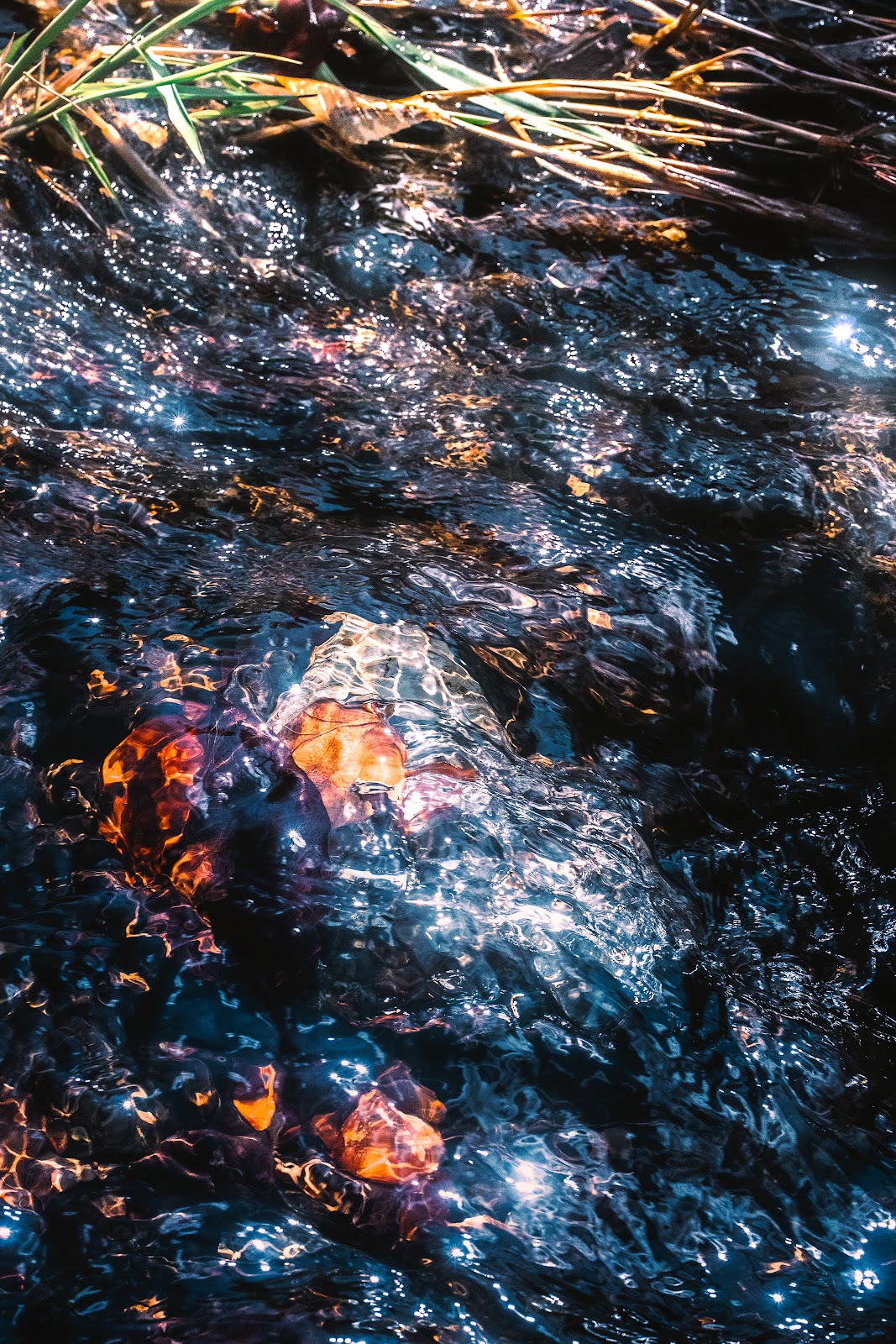
Spring showers, coastal mist, waterfall spray, sudden storms on a mountain hike, wet conditions are unavoidable for anyone who photographs outdoors seriously. Most photographers either stay home on rainy days or risk their gear hoping the weather sealing holds. Neither is ideal. The right rain protection gear changes wet days from a threat into an opportunity, some of the best dramatic light, moody atmospherics, and interesting conditions happen in and around rain.
This guide covers everything you need to shoot confidently in wet conditions, from cheap emergency sleeves to serious professional rain covers and the cameras built for it.
Understanding Camera Weather Sealing
Weather sealing is not a binary on/off feature. It exists on a spectrum, and manufacturers are deliberately vague about specifics. Here’s a rough hierarchy:
- No sealing (entry-level cameras): A single drop of water on the wrong spot can cause damage. Don’t risk it without a cover.
- Basic weather resistance (mid-range): Can handle light mist and brief exposure to light rain. Extended rain exposure still risky.
- Good weather sealing (enthusiast/pro): Sony a7 IV, Fujifilm X-T5, Nikon Z6 III, can handle sustained moderate rain. Still benefit from protection in heavy downpours.
- IP53 or better (professional/specialty): OM System OM-5, OM-1, genuinely waterproof, tested to international standards. Can shoot in driving rain confidently.
Important: Weather sealing on the body is only as good as the weather sealing on your lens. Pairing a sealed body with an unsealed lens defeats the purpose. Always check lens sealing too.
Advertisement
Types of Rain Protection for Cameras
1. Disposable Rain Sleeves
Clear plastic sleeves that slip over the camera and lens, secured with elastic and a front opening for the lens. They’re essentially emergency backup, cheap, light, packable, and good enough for sudden rain on a day hike. They’re awkward to use and limit your access to controls, but at $5–10 for a pack, every camera bag should have a couple.
- OP/TECH USA Rainsleeve. Check price on Amazon →, the standard, fits most camera+lens combos, 2-pack
- Altura Photo Rain Cover. Check price on Amazon →, slightly more structured, better lens support
2. Fitted Neoprene and Fabric Rain Covers
Form-fitting covers made of neoprene or treated nylon that fit specific camera sizes. Better access to controls than sleeves, more durable, reusable. Good choice for travel photographers and anyone who wants something that can live in the bag permanently.
- Think Tank Hydrophobia 70-200 V3. Check price on Amazon →, for telephoto setups, integrated lens support, excellent
- LensCoat RainCoat RS. Check price on Amazon →, compact, fits most mirrorless bodies with standard lenses
3. Professional Camera Rain Covers
Purpose-built covers with transparent front panel for LCD viewing, hand openings for control access, and robust construction for extended shooting in heavy rain. These are what working photographers use when they have to shoot in bad weather for hours.
- Think Tank Hydrophobia 300-600 V3. Check price on Amazon →, pro-grade, works with super-telephoto lenses, $150+
- Spider Camera Holster Rainsuit. Check price on Amazon →, good for sports and wildlife telephoto work
Other Wet Weather Accessories Worth Having
Lens Hood
A lens hood is your first line of defense against rain hitting the front element. Most rain falls slightly forward-angled, and a hood deflects it before it reaches the glass. Keep your hood on in rain, always.
Microfiber Cloths
Pack 3–5 in your bag. You’ll use them to wipe dew off the front element, dry your filter, and clean the camera body between shots. Wet lenses kill sharpness and cause flare. Change cloths as they get saturated.
Dry Bags for Camera Bags
If your camera bag doesn’t have a rain cover (most do, but it’s worth checking), a dry bag insert or a separate waterproof liner protects your gear during transport in heavy rain.
Sea to Summit Ultra-Sil Dry Sack
Waterproof Gloves for Cold Rain
Spring rain is cold. Numb fingers can’t operate controls precisely. Thin waterproof touchscreen-compatible gloves let you maintain dexterity while keeping your hands dry and warm enough to function.
Marmot PreCip Gloves | Outdoor Research ActiveIce Gloves
Cameras Built for Rain: Top Weather-Sealed Options
| Camera | Weather Rating | Price |
|---|---|---|
| OM System OM-5 | IP53, tested waterproof | ~$1,000 |
| OM System OM-1 Mark II | IP53, best-in-class | ~$2,200 |
| Nikon Z9 | Excellent pro sealing | ~$5,500 |
| Sony a1 | Excellent pro sealing | ~$6,500 |
| Fujifilm X-H2S | Very good, magnesium alloy | ~$2,500 |
| Ricoh GR IIIx HDF | Compact, water resistant, not sealed | ~$1,100 |
OM System OM-5 | OM System OM-1 Mark II
Tips for Shooting in the Rain
- Use the rain as a compositional element, rain on water surfaces creates texture, puddles create reflections, mist adds depth
- Cover up between shots, minimize exposure time. Keep the cover on until you’re ready to shoot, replace immediately after.
- Don’t change lenses in rain, water inside the body is the enemy. Change lenses under a jacket, inside a bag, or wait for a dry moment
- Check your front element constantly, a water drop on the lens is invisible until you look at your images and find a soft, flared mess. Wipe it before every burst of shots.
- Dry everything when you get back, leave your bag open, wipe down the body and lenses, and let everything air dry before putting it away
Related Guides
Spring Landscape Photography Gear Guide
Bird Migration Photography Guide
Many camera hiking backpacks include built-in rain covers, but their quality varies. For sustained downpours, pairing a pack cover with a dedicated camera rain sleeve gives you the best protection.
Frequently Asked Questions
Is a weather-sealed camera waterproof?
No, weather sealing means it can handle rain and splashes for a reasonable period. It is not submersion-proof and is not tested to the same standard as an IP-rated camera. Only cameras with an official IP rating (like the OM System OM-5 at IP53) have been independently verified to a specific standard.
Do rain covers work for long telephoto lenses?
Standard sleeves often don’t fit well on long telephotos. Think Tank makes the Hydrophobia series specifically for 70-200, 100-400, and 300-600mm lenses, these are the gold standard for telephoto rain protection.
Can moisture damage the camera even with weather sealing?
Yes, over time. Seals degrade, especially if exposed repeatedly without maintenance. Have your camera serviced periodically if you shoot in wet conditions regularly. And dry everything thoroughly after every wet session.
Browse more nature photography tutorials, gear reviews, and field tips.
Download our guide: exposure, ISO, and aperture strategies for every light condition and terrain.
We respect your inbox. One guide, occasional tips, unsubscribe anytime.
Related Guides
 Best Polarizing Filters for Nature Photography (2026): 6 CPL Filters Compared
 Best Digiscoping Adapters for Wildlife Photography (2026): 6 Picks for Extreme Reach on a Budget