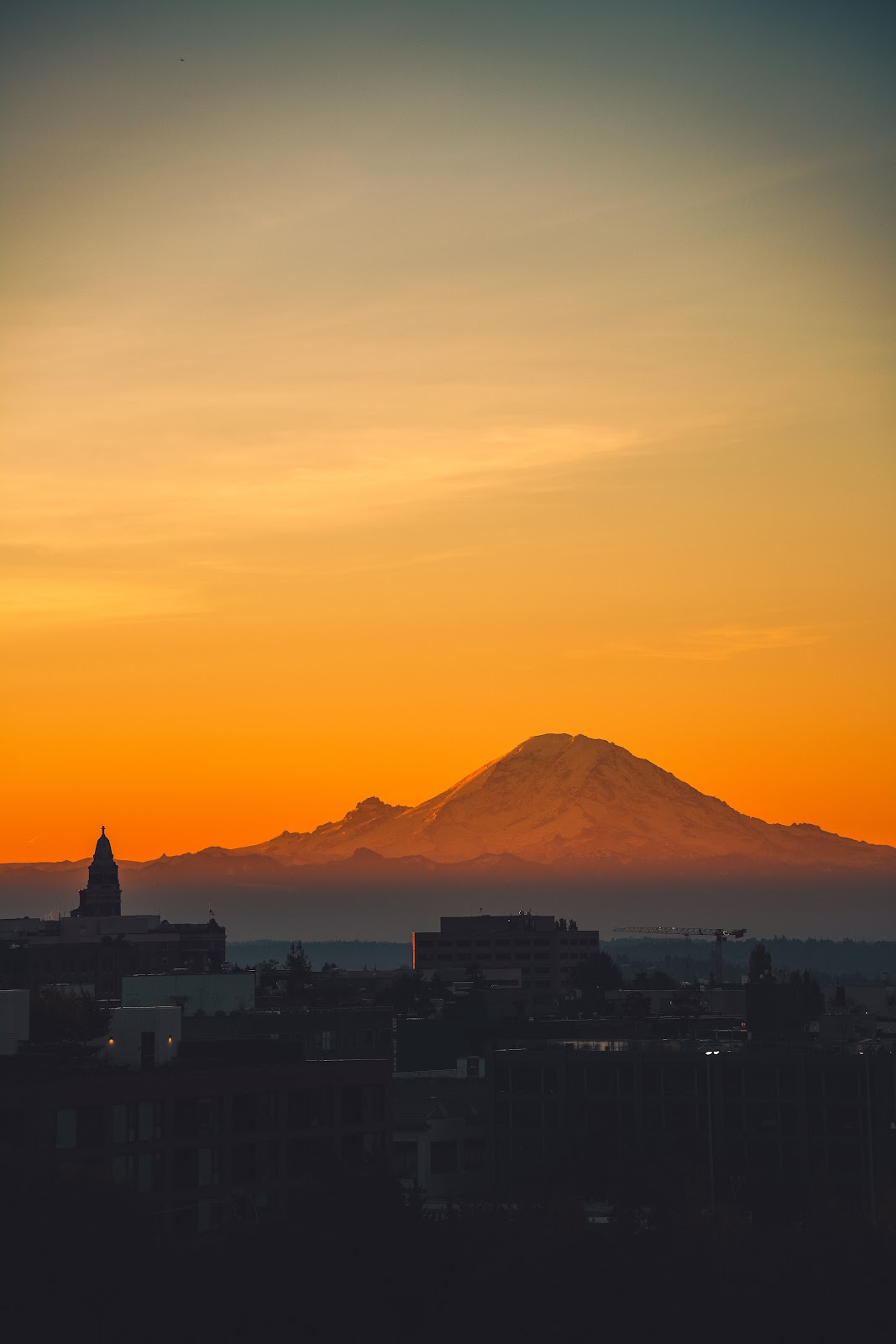
Finding the right camera filter can make or break a landscape shot. From rocky shorelines to misty waterfalls, the difference a good CPL or ND filter makes is dramatic, we’re talking skies that pop, water that flows like silk, and colors that actually match what your eye saw. Here are three filters that earn their place in any landscape photographer’s bag.
Our Top 3 Picks
- Best Overall: NiSi 77mm Swift True Color ND-Vario (1–5 stops)
- Best Value: K&F Concept 77mm Variable ND2–ND400
- Best Budget CPL: Hoya 77mm HRT CIR-PL UV
How These Were Selected
Filters here are assessed on the criteria that decide whether one is worth carrying: color neutrality across the density range, vignetting at wide focal lengths, the usability of the rotation mechanism, and build quality. Selections draw on manufacturer optical specifications and published review measurements, weighted toward the situations landscape shooters actually meet, such as golden hour on open water, waterfall long exposures, and midday light that has to be cut.
1. NiSi 77mm Swift True Color ND-Vario. Best Overall
NiSi makes some of the most color-accurate optical glass on the market, and this variable ND is no exception. The “True Color” designation means no X-cross pattern, no purple or green cast, just clean neutral density from 1 to 5 stops. The Swift rotary mechanism makes dialing in your exposure fast and intuitive, which matters when the light is changing fast. Build quality is excellent: brass frame, multi-coated glass, water-repellent coating. If you shoot landscape seriously, this is the one to own.
Specs: 77mm | 1–5 stops (ND2–ND32) | True Color multi-coating | Water repellent
2. K&F Concept 77mm Variable ND2–ND400. Best Value
K&F has been making serious inroads in the filter market, and this variable ND delivers performance well above its price point. The 28-layer nano coating does a good job minimizing reflections, and the range of 1–9 stops gives you real flexibility, from bright daylight shooting to full silky-water long exposures. It won’t match NiSi’s color neutrality at extreme settings, but for everyday landscape and wildlife work it’s excellent value.
Specs: 77mm | ND2–ND400 (1–9 stops) | 28-layer multi-coating | Brass frame
3. Hoya 77mm HRT CIR-PL UV. Best Budget CPL
A circular polarizer is the one filter you can’t fully replicate in Lightroom, it physically cuts reflections off water and glass and deepens blue skies in ways no post-processing can match. Hoya’s HRT CIR-PL combines a CPL with UV protection in one slim filter. The “HRT” coating is multi-layered and does a solid job for the price. For landscape photographers just getting into filters, this is the first one to buy.
From the Photographer
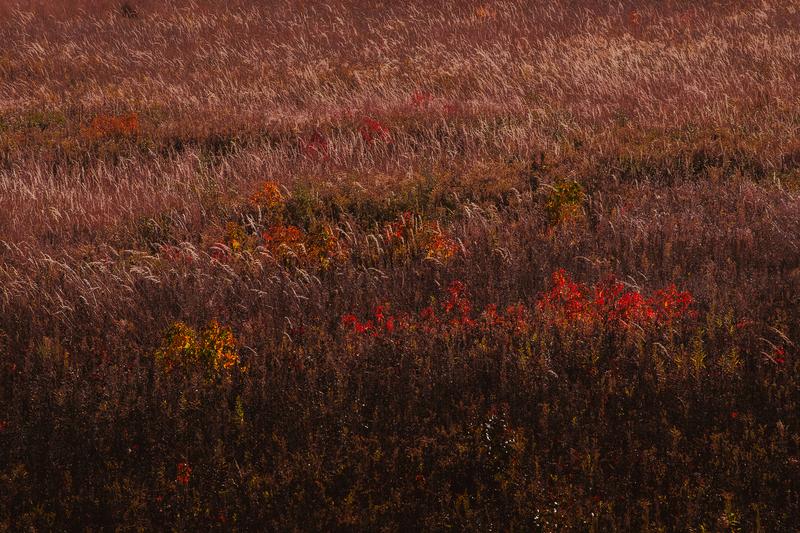
Autumn Meadow Golden Grasses
A quiet autumn meadow bathed in golden light
Zeefeldt Photography. Fine art prints starting at $95
Specs: 77mm | Circular polarizer + UV | HRT multi-coating | Aluminum frame
Buyer’s Guide: What to Look For
The two most essential filter types for landscape photography are ND (neutral density) and CPL (circular polarizer). ND filters reduce light entering the lens, letting you use slower shutter speeds for waterfalls, clouds, or any scene where motion blur adds drama. Variable NDs are versatile but watch for X-cross artifacts at extreme settings, quality glass minimizes this. CPL filters cut glare and boost saturation; they’re most effective when shooting at 90 degrees to the sun. For serious landscape work, a high-quality variable ND plus a CPL covers 90% of situations.
For filter sizing: measure your widest lens’s front diameter and buy that size, or buy a larger size with step-up rings. The 77mm size covers most full-frame and crop-sensor lenses in the mid-telephoto range.
Frequently Asked Questions
What is the best type of filter for landscape photography?
A variable ND filter and a circular polarizer are the two most impactful filters for landscape work. The ND lets you control shutter speed for motion effects; the CPL cuts reflections and deepens colors. If you can only buy one, start with a CPL, it does something Lightroom simply cannot replicate.
Do I need different filter sizes for different lenses?
You can buy the largest diameter size you need and use step-up rings (inexpensive adapters) to fit it on smaller lenses. Most landscape photographers standardize on 77mm or 82mm and use step-up rings. This is more cost-effective than buying multiple filter sets.
Are variable ND filters as good as fixed ND filters?
Fixed NDs (3-stop, 6-stop, 10-stop) offer better optical quality and zero X-cross artifacts, but require carrying multiple filters. Variable NDs are more practical for field shooting. The best variable NDs, like NiSi’s True Color line, get very close to fixed ND quality at moderate settings.
Frequently Asked Questions
What camera filters do I need for landscape photography?
The most essential camera filters for landscape photography are a circular polarizer (CPL) to reduce glare and enhance sky color, a neutral density (ND) filter to allow longer exposures, and a UV filter for lens protection. Graduated ND filters are also valuable for balancing bright skies with darker foregrounds.
What is the difference between ND and CPL filters?
ND (neutral density) filters reduce the amount of light entering the lens, allowing slower shutter speeds or wider apertures in bright conditions. CPL (circular polarizer) filters reduce reflections and increase color saturation. They serve different purposes but are both essential for landscape photography.
Do I need a UV filter for the lens?
UV filters primarily serve as lens protection today, since modern digital sensors are not sensitive to UV light. They’re worth using on expensive lenses to prevent scratches and dust. However, cheap UV filters can reduce image sharpness, so invest in quality glass from Hoya, B+W, or NiSi.
Browse more nature photography tutorials, gear reviews, and field tips.
Download our guide: exposure, ISO, and aperture strategies for every light condition and terrain.
We respect your inbox. One guide, occasional tips, unsubscribe anytime.
Related Guides
 Best Polarizing Filters for Nature Photography (2026): 6 CPL Filters Compared