Quick answer
The Sony α7R V remains compelling when the priority is extracting detail from a single frame. Its 61.0MP full-frame Exmor R sensor gives landscape photographers substantial room to crop, recompose, and print, while its AI processing unit and subject-recognition autofocus add practical assistance in the field. Sony rates the camera’s in-body stabilization at up to 8 stops under CIPA testing conditions.
It is not a specialist speed body: the maximum continuous shooting rate is up to 10 frames per second, and high-resolution files demand more storage and processing. But for the kind of nature photography where detail, cropping latitude, and final print quality matter, the α7R V’s specification set remains unusually strong.
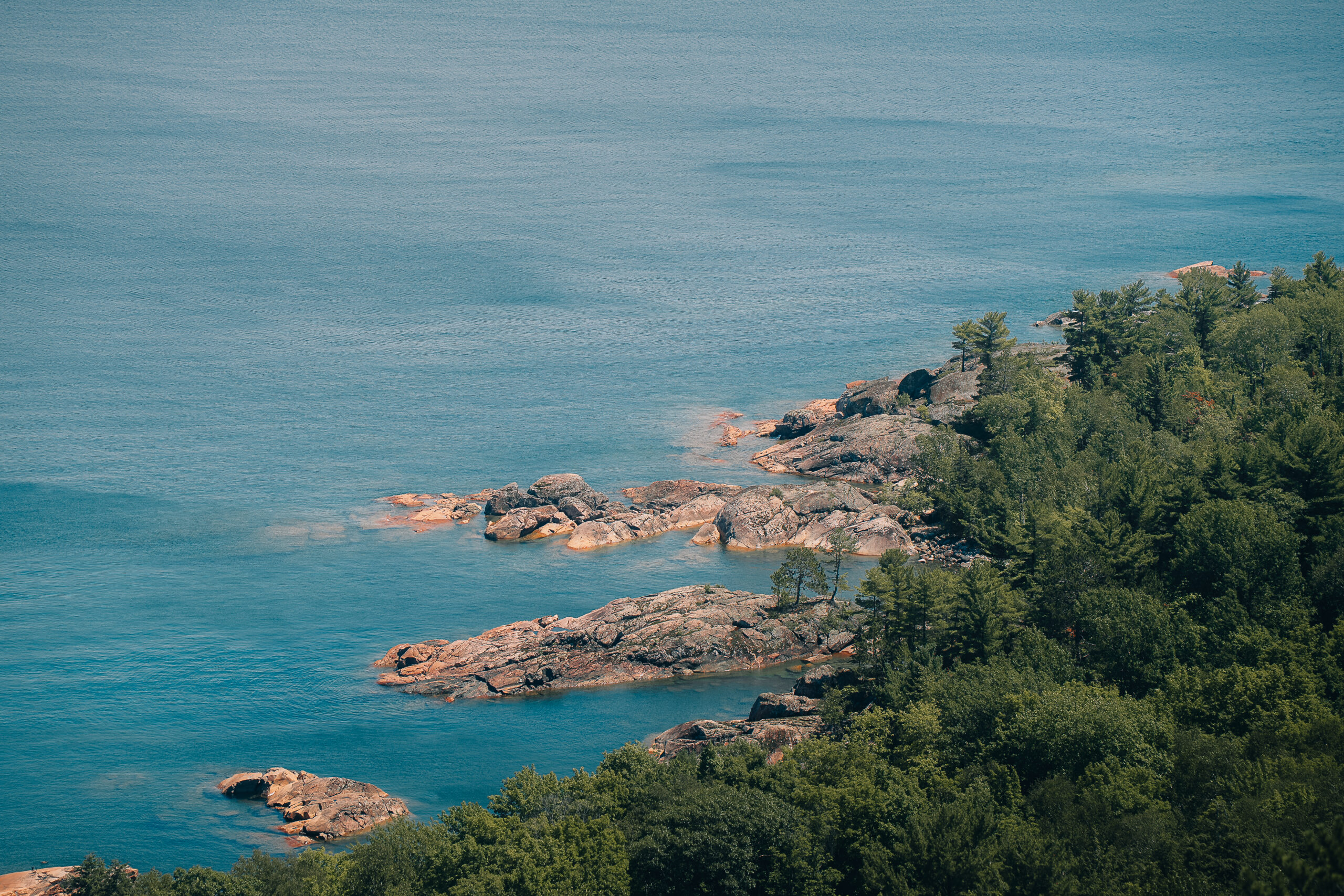
Why buying the α7R V today still makes sense
The α7R V does not need to be the newest body to be a smart buy. A camera earns its place by producing the files you need, handling the subjects you photograph, and fitting the lenses and workflow you already use. On those terms, the α7R V still offers a rare combination of resolution, autofocus assistance, stabilization, and cropping latitude.
Newer cameras may offer faster readout, higher burst rates, or newer processing. Those improvements are real, but they do not make a 61.0MP file, an AI-assisted recognition system, or an 8-stop CIPA-rated stabilization system suddenly incapable. If your work is landscape, wildlife, macro, travel, or mixed nature photography, the α7R V can still give you a professional-resolution file with enough flexibility for serious prints and aggressive crops.
The sensible reason to buy it today is not nostalgia and it is not the number on a release calendar. It is that the camera’s core strengths line up with the finished photograph: detail in a large print, room to reframe a distant subject, and a body that can cover several kinds of nature work without forcing you into a second system. If a newer body’s specific advantages do not solve a problem you actually have, putting the difference toward a lens, tripod, storage, or time in the field may produce more visible value.
The specifications that matter in the field
61.0MP full-frame resolution
The α7R V uses a 61.0MP back-illuminated full-frame sensor. That resolution is useful for more than winning a specification-sheet comparison. It gives you flexibility after the shutter is pressed:
- A distant bird can occupy a smaller part of the original frame and still leave a useful crop.
- A landscape can be reframed for a different print ratio without immediately throwing away all of its detail.
- Fine textures—feathers, bark, rock, grasses, and snow—remain available when the final image is viewed large.
Resolution does not replace good light, accurate focus, a sharp lens, or good technique. It gives those things more room to work.

Cropping is the α7R V’s quiet superpower
Nature photography rarely gives you perfect distance, perfect timing, and perfect framing at the same time. A high-resolution body can turn a nearly-right composition into a finished photograph without making the subject look like a postage stamp.
For wildlife, this matters when the animal is distant or when you need to preserve space in front of a moving subject. For landscapes, it matters when a small adjustment to the horizon, foreground, or sky produces a stronger composition. The camera does not make the decision for you; it preserves more of the information you captured while you make that decision later.
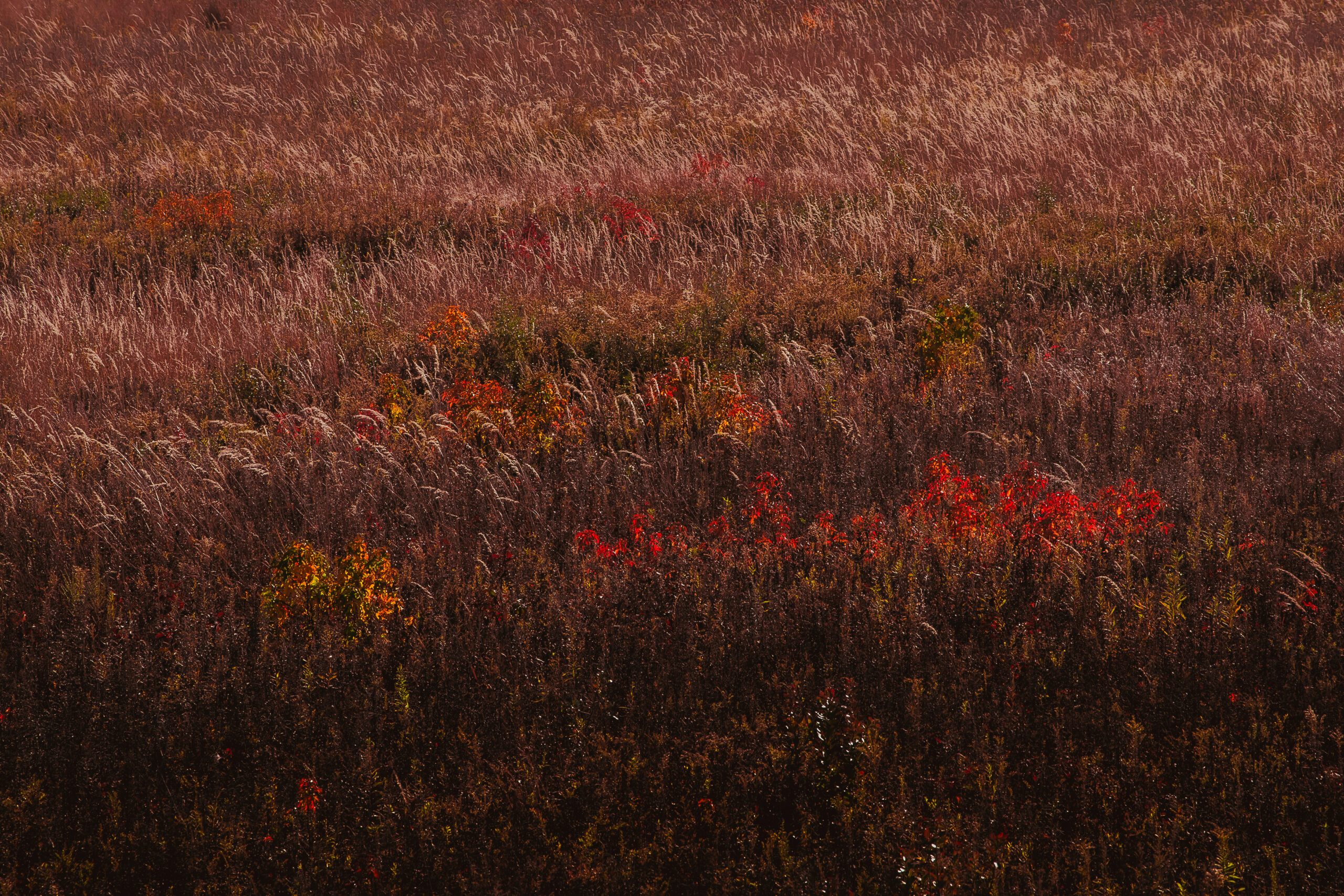
Autofocus that recognizes more than contrast
Sony pairs the sensor and BIONZ XR processor with a dedicated AI processing unit. Sony lists Real-time Recognition AF, broader subject recognition, and 693 phase-detection AF points when a full-frame lens is attached.
For a nature photographer, the practical benefit is not that autofocus becomes infallible. It is that the camera can use subject-recognition information to help maintain focus on relevant subjects as the scene changes. Branches, grass, uneven backgrounds, and fast movement still require sensible settings and attention from the photographer.
This is where your own examples matter most. Add one frame where the subject is partially obscured, moving through a cluttered background, or occupying a small part of the composition. The image should demonstrate the result without claiming that the camera succeeded in every situation.
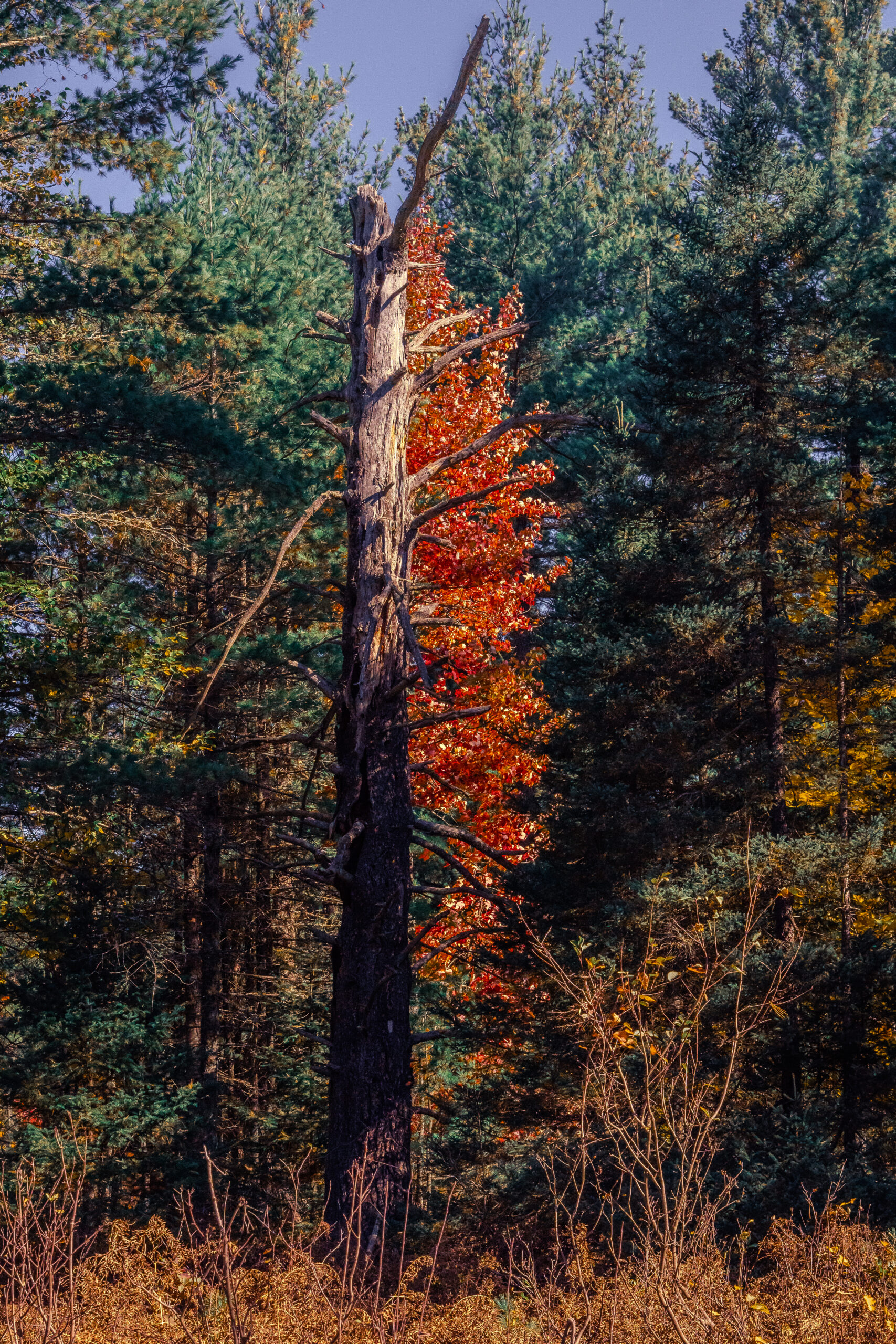
Eight-stop stabilization for deliberate handheld work
Sony rates the α7R V’s in-body image stabilization at up to 8 stops based on CIPA standards. That figure is a test rating, not a promise that every photograph will be sharp at an eight-stop reduction. Subject movement, focal length, technique, and the way the camera is held still matter.
The useful takeaway is simpler: stabilization can help with static scenes when a tripod is inconvenient, especially for walking, hiking, travel, and changing weather. It cannot freeze a moving bird or a swaying branch. For those subjects, shutter speed remains the controlling variable.
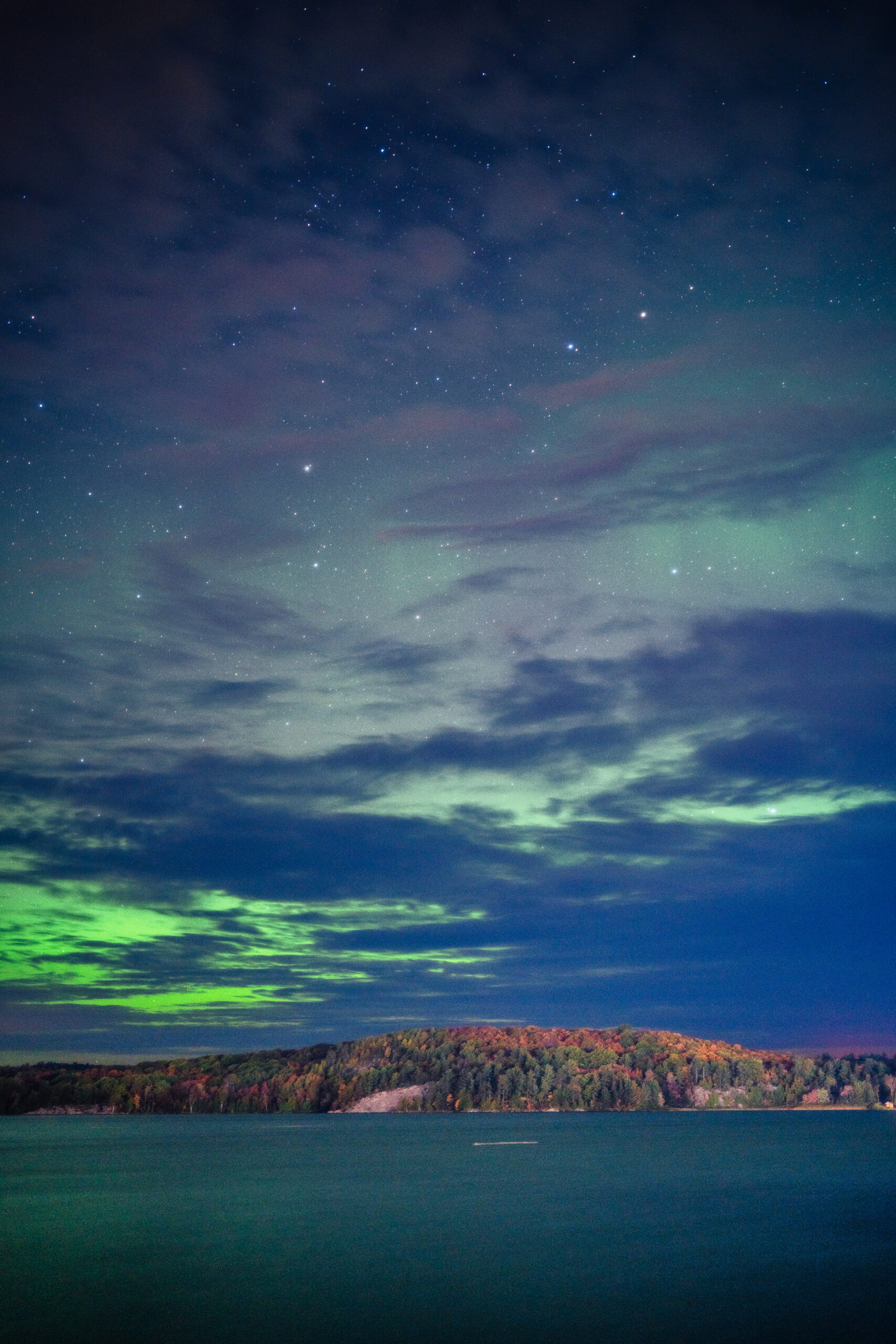
High-resolution files change the workflow
The α7R V’s strengths come with predictable costs. Large files require more card space, more backup capacity, and a computer that can move through high-resolution RAW images comfortably. A serious kit should include:
- Two reliable memory cards from a reputable manufacturer.
- A backup routine that copies files before cards are formatted.
- Sufficient storage for original RAW files and exported masters.
- A lens that can resolve enough detail to justify a 61.0MP sensor.
This is also why the right lens matters more than chasing the newest body. A capable camera paired with an unsuitable focal length, a soft lens, or an unstable support system will not produce the result the specification sheet suggests.
Where the α7R V is strongest
The camera is particularly well matched to:
- Landscape photographers who print large or crop aggressively.
- Wildlife photographers who need both reach and cropping latitude.
- Nature photographers who move between landscape, macro, travel, and wildlife work.
- Photographers who want one high-resolution body rather than separate landscape and general-purpose systems.
It is less compelling if your work is dominated by maximum burst speed, minimal file sizes, or a budget that would be better spent on a longer lens and better support.
The honest verdict
The Sony α7R V is expensive, but its value is not dependent on being the newest camera in the lineup. The combination of 61.0MP resolution, subject-recognition autofocus, 8-stop-rated stabilization, and 8K/4K video makes it a serious hybrid tool for photographers who need detail and flexibility more than extreme burst speed.
For nature photography, the most persuasive argument is visible in the files: the ability to crop a distant subject, preserve texture, and make a large print from a frame that would have been too loose on a lower-resolution body. The best way to evaluate it is to inspect real examples at their intended output size—not just pixel-peep a specification chart.
Bottom line: If your priority is resolution, cropping latitude, and long-term image quality, the α7R V remains one of Sony’s most capable nature-photography bodies. If your priority is maximum action speed or lower-cost storage, compare it carefully with a speed-focused body before buying.
Suggested reader-facing comparison box
| Feature | Sony α7R V |
|---|---|
| Sensor | 61.0MP full-frame back-illuminated Exmor R CMOS |
| Processor | BIONZ XR plus dedicated AI processing unit |
| Autofocus | Real-time Recognition AF; 693 phase-detection points with a full-frame lens |
| Stabilization | Up to 8 stops, CIPA-rated |
| Maximum continuous shooting | Up to 10 fps, depending on settings |
| Video highlights | 8K 24/25p; 4K 60/50p |
| Best fit | High-resolution landscape, wildlife, and general nature photography |
The article should use a content width of roughly 680–760px, with horizontal photos capped near 1100px and vertical photos capped near 520px. On mobile, every image should use `width: 100%; height: auto;` with no fixed height; on desktop, vertical images should remain visually narrower than horizontal images so the page does not become a wall of tall media.