
A great camera backpack for hiking isn’t just a bag, it’s the difference between reaching a remote overlook with your gear intact and comfortable, or arriving with a sore back and a camera you almost dropped. The best budget camera backpack for hiking protects your gear, distributes weight properly, carries a tripod, and doesn’t cost as much as your camera body.
I hike 15-20 miles per week through Michigan’s trails with camera gear on my back. I’ve worn through cheap bags, returned uncomfortable ones, and settled on a few that actually work. Here are my picks for budget-friendly camera backpacks that perform on the trail.
Quick Picks: Top 3 Budget Camera Hiking Backpacks
| Backpack | Why It Stands Out | Price |
|---|---|---|
| Lowepro FreeLine BP 350 AW | Best overall, versatile, comfortable, excellent protection | ~$199 |
| K&F Concept 25L Camera Backpack | Best value, surprisingly capable for the price | ~$69 |
| Peak Design Everyday Backpack 20L | Best design, innovative access, premium feel under $200 | ~$195 |
What We Looked For
We evaluated these backpacks on: comfort for 5+ mile hikes (padded hip belt, ventilated back panel, weight distribution), camera protection (padded dividers, water resistance, structural rigidity), access speed (how quickly can you deploy your camera on the trail), tripod carry (dedicated straps or attachment points), personal gear capacity (room for water, snacks, layers beyond just camera gear), and price under $200.
Detailed Reviews
1. Lowepro FreeLine BP 350 AW. Best Overall Budget Camera Hiking Pack
The Lowepro FreeLine BP 350 AW strikes the perfect balance between camera protection and hiking functionality. The dual-access design lets you reach your camera from the back panel (for security) or through a quick side-access panel (for speed on the trail). The All Weather AW Cover™ stows in a bottom pocket for unexpected rain.
Capacity: 1-2 camera bodies, 4-6 lenses, 15″ laptop, tripod (external). Approximately 21L total.
Key features: Rear and side camera access, built-in rain cover, padded hip belt, ventilated back panel, removable camera insert (converts to a regular hiking pack), external tripod straps, tablet/laptop sleeve.
Pros: Excellent weight distribution for long hikes, removable camera insert adds versatility, All Weather cover included, dividers are customizable, side access is genuinely fast on the trail.
Cons: Hip belt padding is thin compared to dedicated hiking packs, slightly boxy silhouette, not ultralight (3.4 lbs empty).
Best for: Photographers who want a serious camera pack that also works as a day hiking pack.
Price: ~$199
2. K&F Concept 25L Camera Backpack. Best Budget Value
The K&F Concept 25L Camera Backpack is the sleeper hit on this list. At ~$69, it offers features you’d expect from bags twice the price, rain cover, side camera access, tripod holder, and padded dividers. The build quality won’t match a Lowepro or Peak Design, but it’s more than adequate for the price.
Capacity: 1 camera body, 3-4 lenses, 15.6″ laptop, tripod (external), plus a top compartment for personal gear. 25L total.
Key features: Side camera access, top personal gear compartment, included rain cover, external tripod straps, padded shoulder straps and back panel, USB charging port pass-through.
Pros: Incredible value at $69, spacious 25L capacity, separated top and bottom compartments (camera below, personal gear above), comfortable for 3-5 mile hikes, looks like a normal backpack (low theft profile).
Cons: Zippers feel cheap compared to premium bags, dividers are thin, hip belt is minimal, rain cover is basic, back panel ventilation is poor (sweaty on hot days).
Best for: Beginners who want a capable camera hiking pack without committing $200. Perfect as a first bag to learn what features matter most to you.
Price: ~$69
3. Peak Design Everyday Backpack 20L. Best Design and Access
The Peak Design Everyday Backpack 20L is an icon for good reason. The dual side-zip access panels let you reach any piece of gear from either side without removing the bag. The FlexFold dividers are the most configurable system on the market, they origami-fold into any configuration you need.
Capacity: 1-2 camera bodies, 3-5 lenses, 15″ laptop, light personal gear. 20L total.
Key features: Dual side-zip access, FlexFold dividers, MagLatch top closure, weatherproof 400D nylon shell, external carry straps, internal organizer pockets.
Pros: Best access system of any camera backpack, configurable FlexFold dividers work for any gear combination, weatherproof construction without a separate rain cover, sleek urban-friendly design, excellent build quality.
Cons: Barely under $200 (sometimes on sale), hip belt is sold separately, less comfortable than dedicated hiking packs for long hikes, relatively heavy for its capacity (3.5 lbs).
Best for: Photographers who split time between urban shooting and moderate day hikes, and value quick gear access above all else.
Price: ~$195 (frequently on sale for $160-180)
4. Tarion Camera Backpack Large. Best for Heavy Gear Loads
If you carry a lot of gear, multiple bodies, heavy telephoto lenses, drone, the Tarion Camera Backpack offers exceptional internal volume at a budget price. The twin-compartment design separates camera gear (bottom) from personal items (top), and the clamshell opening makes packing and accessing gear easy.
Capacity: 2 camera bodies, 6-8 lenses or 4 lenses + drone, 15.6″ laptop, generous personal gear space. ~30L total.
Key features: Full clamshell rear opening, separated dual compartments, thick padded dividers, external tripod mount, rain cover included, lockable zippers.
Pros: Largest capacity on this list, clamshell opening makes packing easy, thick dividers protect gear well, affordable at ~$59, lockable zippers for security.
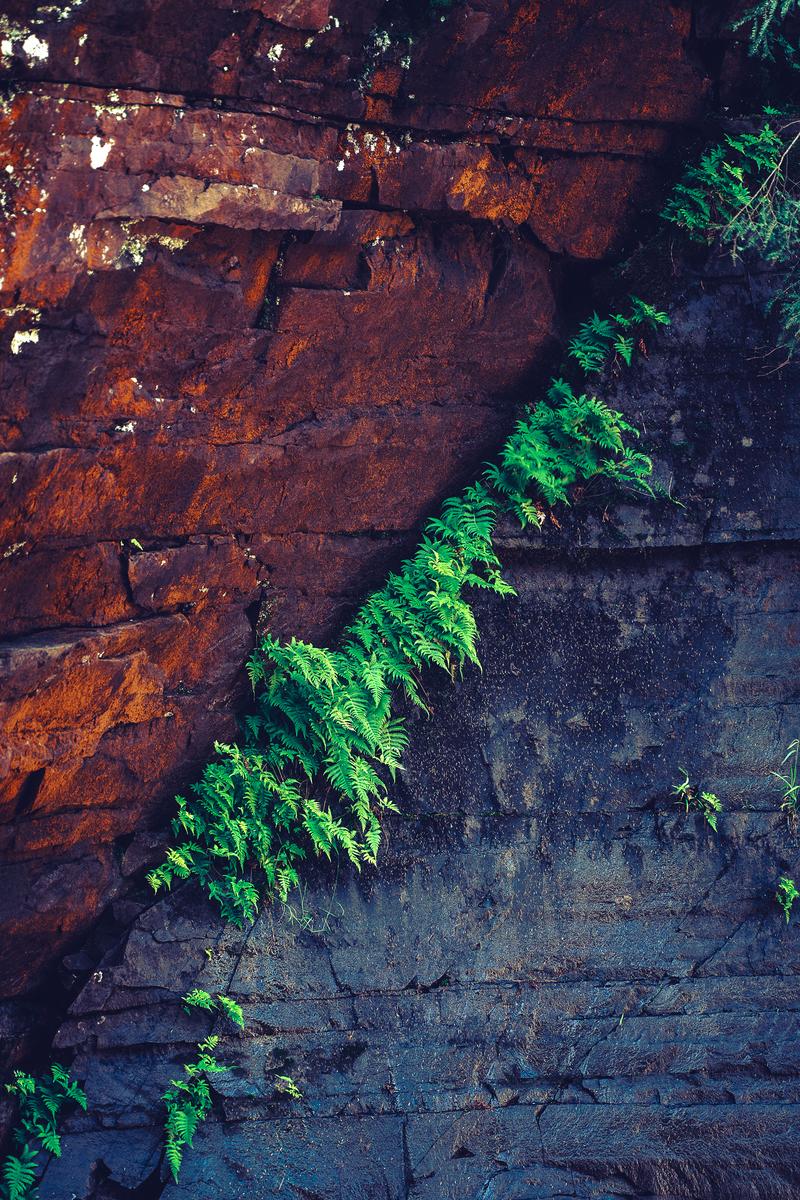
From the Photographer
Layered Rock Ferns Sandstone
Layered sandstone and ferns, the reward at the end of the trail
Zeefeldt Photography
. Fine art prints starting at $95
Cons: Bulky and heavy when loaded (can exceed 6 lbs), minimal hip belt, not as comfortable for long hikes, looks like a camera bag (theft concerns), ventilation is poor.
Best for: Photographers who need to carry a lot of gear to a location but aren’t hiking extreme distances.
Price: ~$59
5. Shimoda Explore V2 25. Best Comfort for Long Hikes
The Shimoda Explore V2 25 is designed by backcountry photographers who prioritize trail comfort. It features a genuine hiking-grade suspension system with a padded hip belt that transfers weight to your hips, a ventilated back panel inspired by hiking packs, and load-lifter straps for fine-tuning the carry.
Capacity: Core units sold separately (Small, Medium, or Large). Medium fits 1 body + 3-4 lenses. 25L total with top personal gear space, hydration sleeve, and external pockets.
Key features: Hiking-grade suspension, rear panel camera access, removable core units (swap between photo and regular hiking), hydration compatible, external tripod/trekking pole attachments, rain cover included.
Pros: Best comfort on this list for 10+ mile hikes, excellent weight distribution, modular core system lets you customize camera space, hydration compatible, truly weatherproof construction.
Cons: Slightly over budget at ~$219 (core unit ~$50-80 extra), rear-access only (slower than side-access), heavier empty weight, core units add to the total cost.
Best for: Serious hiking photographers who prioritize trail comfort and plan long backcountry trips.
Price: ~$219 (bag only, core unit extra)
Comparison Table
| Backpack | Capacity | Access | Hip Belt | Rain Cover | Weight | Price |
|---|---|---|---|---|---|---|
| Lowepro FreeLine 350 | 21L | Rear + Side | Yes (basic) | Included | 3.4 lbs | $199 |
| K&F Concept 25L | 25L | Side | Minimal | Included | 3.0 lbs | $69 |
| Peak Design 20L | 20L | Dual Side | Sold separately | Not needed | 3.5 lbs | $195 |
| Tarion Large | ~30L | Rear clamshell | Minimal | Included | 3.8 lbs | $59 |
| Shimoda Explore V2 25 | 25L | Rear | Yes (padded) | Included | 3.9 lbs | $219+ |
How to Choose the Right Camera Hiking Backpack
Match the Bag to Your Hike Length
Under 3 miles: Any of these bags works fine. Comfort isn’t critical for short distances.
3-8 miles: Look for a padded hip belt and ventilated back panel. The Lowepro FreeLine and Peak Design are solid choices.
8+ miles: Prioritize hiking-grade suspension. The Shimoda Explore V2 is purpose-built for long days on the trail.
Side Access vs. Rear Access
Side-access bags let you swing the pack to your hip, unzip, and grab your camera without removing the bag. This is fast and convenient. Rear-access bags require you to set the pack down and open the back panel, slower, but more secure against theft in urban areas. For hiking, side access wins.
Don’t Forget Tripod Carry
If you use a tripod for landscape work (and you should), make sure your bag has dedicated tripod straps or attachment points. Clipping a tripod to random loops rarely works well, it bounces, swings, and shifts your center of gravity.
Camera Protection on the Trail: What Actually Matters
A hiking camera backpack serves one non-negotiable purpose: keeping your gear safe while you move through unpredictable terrain. Understanding what separates adequate protection from excellent protection helps you avoid the heartbreak of pulling out a damaged lens after a stumble on loose rock.
Padding Thickness and Impact Resistance
Most budget camera backpacks use closed-cell foam padding between 10mm and 20mm thick. For hiking, look for at least 15mm of padding on all interior walls, not just the sides. The bottom panel matters most because that is where impact force concentrates when you set the pack down on rocky ground or accidentally drop it.
The Lowepro FreeLine and Shimoda Explore V2 both use multi-density foam that absorbs shock better than single-density alternatives. The K&F Concept uses thinner padding to save weight, which works fine for day hikes on groomed trails but may not survive a fall on talus. If you regularly hike Class 3 scrambles or boulder fields, prioritize padding thickness over pack weight every time.
Adjustable dividers are equally important. Velcro-attached padded inserts let you create custom compartments for your specific landscape photography kit, whether that is a body with two lenses or a body with one lens plus filters and accessories.
Built-In Rain Covers vs. Aftermarket Solutions
Every pack on this list except the Tarion includes a built-in rain cover. That said, built-in covers vary wildly in quality. The Shimoda’s cover wraps the entire pack including the hip belt, while the K&F Concept cover leaves the shoulder straps exposed, which means water can still wick into the main compartment through the back panel on a long downpour.
If your pack’s rain cover is flimsy or missing, an aftermarket cover from Sea to Summit or Osprey costs under $20 and provides better coverage than most built-in options. For heavy rain conditions, pair a rain cover with a dedicated camera rain cover on your body itself as a second layer of protection.
Airport Carry-On Compatibility for Destination Hikers
If you fly to trailheads, carry-on sizing matters. Most domestic airlines allow bags up to 56 x 36 x 23 cm (22 x 14 x 9 inches). The Peak Design Everyday 20L and K&F Concept 25L both fit within these limits without issue. The Shimoda Explore V2 25 and Lowepro FreeLine 350 AW are borderline, they technically meet the dimensions but look bulky enough to attract attention from strict gate agents.
The safest approach for air travel: fully load the pack at home and measure it with gear inside, not empty. A half-empty camera backpack that technically measures 21 inches can balloon to 24 inches once you stuff in a tripod attachment, rain layer, and snacks. If you hike internationally, check budget airline restrictions, as Ryanair and similar carriers enforce much smaller limits.
Weight Distribution for All-Day Comfort
Camera gear is dense and heavy relative to its size, which makes weight distribution critical on anything longer than a 3-mile hike. A 6kg loaded camera pack sitting entirely on your shoulders will cause neck strain and fatigue within the first hour on steep terrain.
Look for a pack with a functional hip belt that transfers at least 40% of the load to your hips. The Shimoda Explore V2 excels here with its trekking-grade hip belt and adjustable torso length. The Peak Design Everyday, while beautifully designed, uses a minimal hip belt that is better suited for urban carry than sustained trail use. If you plan to pair your camera backpack with a full wildlife photography kit including a long telephoto lens, prioritize hip belt quality above almost everything else.
Frequently Asked Questions
What is the best budget camera backpack for hiking?
The Lowepro FreeLine BP 350 AW at $199 is the best overall budget camera hiking pack, offering excellent comfort, dual-access camera compartment, built-in rain cover, and removable camera insert. For extreme budget shoppers, the K&F Concept 25L at $69 is surprisingly capable.
How much should I spend on a camera backpack for hiking?
Plan to spend $60-200 for a quality camera hiking pack. Under $70 (K&F Concept, Tarion) gets you basic protection and organization. $150-200 (Lowepro, Peak Design) adds better comfort, access systems, and durability. Over $200 (Shimoda) gets hiking-grade suspension for long backcountry trips.
Can I use a regular hiking backpack for camera gear?
Yes, with a padded camera insert (like the Tenba BYOB or F-Stop ICU). Insert your cameras into the padded insert, then put it in your hiking pack. This gives you hiking-specific comfort with camera protection. It’s a great option if you already own a hiking pack you love.
How do I keep the camera dry while hiking?
Use a bag with an included rain cover (Lowepro, K&F, Shimoda), or carry a separate dry bag. Store your camera in a ziplock when crossing streams. The Peak Design Everyday Backpack’s weatherproof shell handles light rain without a cover, but use a cover in heavy rain.
Should I get a top-loading or backpack style camera bag for hiking?
Backpack style, always. Top-loading holster bags work for quick access but are terrible for long hikes, they only carry one camera body, no personal gear, and the single-strap design puts all weight on one shoulder. A proper backpack distributes weight to both shoulders and your hips.
Final Verdict
The best budget camera backpack for hiking is the Lowepro FreeLine BP 350 AW at $199, it nails the balance between camera protection, hiking comfort, and quick access that trail photographers need. If $200 is too much, the K&F Concept 25L at $69 is a genuinely good pack that outperforms its price tag. And if you’re tackling long backcountry hikes, stretch to the Shimoda Explore V2 25 for hiking-grade comfort.
Browse more nature photography tutorials, gear reviews, and field tips.
Download our guide: exposure, ISO, and aperture strategies for every light condition and terrain.
We respect your inbox. One guide, occasional tips, unsubscribe anytime.
Related Guides
 Best Polarizing Filters for Nature Photography (2026): 6 CPL Filters Compared
 Best Camera Backpacks for Hiking & Nature Photography (2026): 7 Tested Picks
 Best Tripods for Landscape Photography (2026): 7 Picks From Budget to Pro
 Best Digiscoping Adapters for Wildlife Photography (2026): 6 Picks for Extreme Reach on a Budget