Sometimes the best camera is the one you’ll actually carry. If you want a best budget compact camera for landscape photography that fits in a jacket pocket and still delivers print-worthy images, the options in 2026 are better than ever. I keep a compact in the bag for quick hikes where I don’t want to lug a full mirrorless kit, here are the ones worth your money.
Quick Picks: Best Budget Compact Cameras for Landscapes
| Camera | Best For | Price Range |
|---|---|---|
| Ricoh GR IIIx | Best image quality | ~$899 |
| Canon G7 X Mark III | Best all-around value | ~$749 |
| Sony ZV-1 II | Best wide-angle compact | ~$698 |
How We Evaluated These Compacts
For landscape compacts, I look at sensor size (bigger = more dynamic range), lens quality and focal range (wide-angle coverage is essential), RAW file capability, and portability. Weather sealing is a bonus. Testing each on several Michigan state park trails in varying conditions.
Best Image Quality: Ricoh GR IIIx
The Ricoh GR IIIx crams an APS-C sensor into a body that genuinely fits in your jeans pocket. The 40mm equivalent lens is slightly tighter than traditional landscape focal lengths, but the image quality from this sensor is in a different league compared to other compacts.
Key Specs: 24.2MP APS-C sensor, 40mm f/2.8 equivalent, 3-axis sensor-shift stabilization, RAW support, 262g.
Pros: APS-C image quality in a pocket camera, exceptional sharpness, in-body stabilization, RAW files with outstanding dynamic range, snap focus for quick landscape shots.
Cons: Fixed 40mm lens (no zoom, no ultra-wide), no weather sealing, small battery (~200 shots), minimal video capabilities.
Best For: Photographers who prioritize image quality above all else and don’t mind the 40mm perspective. Pair it with your phone for ultra-wide shots and use the GR IIIx for your primary landscape images.
Best All-Around: Canon PowerShot G7 X Mark III
The Canon G7 X Mark III has been a favorite compact for years, and for good reason. The 1-inch sensor with 24-100mm equivalent zoom covers landscape shooting at both wide and telephoto ends, with Canon’s reliable color science.
Key Specs: 20.1MP 1-inch sensor, 24-100mm f/1.8-2.8 equivalent, 4K 30p, 304g, touchscreen.
Pros: Versatile zoom range, fast f/1.8 lens at wide end, excellent 4K video, reliable autofocus, pocket-friendly size, shoots RAW.
Cons: 1-inch sensor limits dynamic range vs APS-C, no viewfinder, stabilization is lens-based only, plastic body feels fragile.
Best For: The photographer who wants one pocket camera that handles landscapes, travel, and vlogging without compromise.
Best Wide-Angle: Sony ZV-1 II
The Sony ZV-1 II starts at an ultra-wide 18mm equivalent, perfect for sweeping landscape vistas. Sony redesigned this from the original ZV-1 with landscape and travel shooters in mind, and the wider lens makes a huge difference.
Key Specs: 20.1MP 1-inch sensor, 18-50mm f/1.8-4.0 equivalent, 4K 30p, 292g, flip-up screen.
Pros: 18mm wide end is ideal for landscapes, excellent stabilization, good low-light for a compact, reliable Sony autofocus, shoots RAW.
From the Photographer
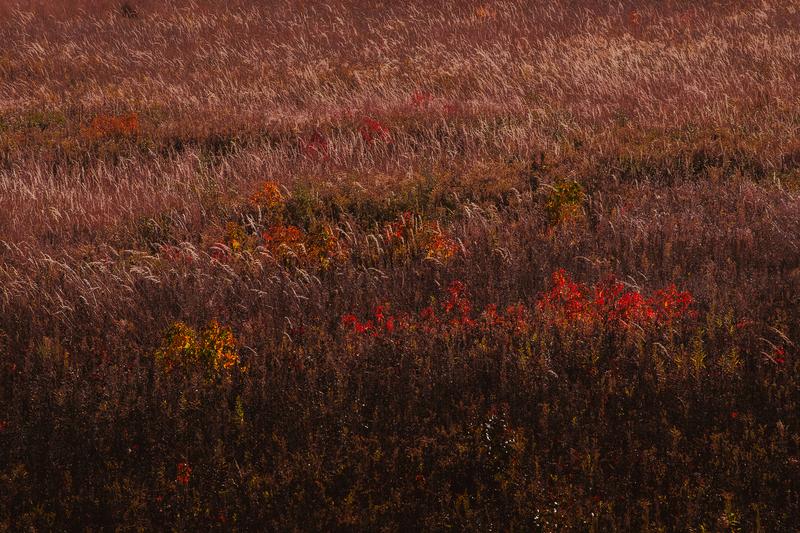
Autumn Meadow Golden Grasses
A quiet autumn meadow bathed in golden light
Zeefeldt Photography
. Fine art prints starting at $95
Cons: Shorter zoom range (50mm max), 1-inch sensor, originally designed for vlogging so some features are video-centric, no viewfinder.
Best For: Landscape photographers who value ultra-wide perspectives and want a compact that captures sweeping scenes without a lens adapter or filter system.
Also Worth Considering
Fujifilm X100VI
The Fujifilm X100VI (~$1,599) is technically in compact territory with its fixed 23mm f/2 lens (35mm equivalent) and APS-C sensor. It delivers exceptional image quality with Fujifilm’s beloved film simulations, but the price and availability make it a stretch for “budget.” If you can find one, it’s incredible.
Comparison Table
| Feature | GR IIIx | G7 X III | ZV-1 II |
|---|---|---|---|
| Sensor | APS-C 24.2MP | 1-inch 20.1MP | 1-inch 20.1MP |
| Focal Length | 40mm fixed | 24-100mm zoom | 18-50mm zoom |
| Max Aperture | f/2.8 | f/1.8-2.8 | f/1.8-4.0 |
| Weight | 262g | 304g | 292g |
| RAW Support | Yes | Yes | Yes |
| Price | ~$899 | ~$749 | ~$698 |
Buyer’s Guide: Compact Cameras for Landscape Photography
Sensor Size Matters
The Ricoh GR IIIx’s APS-C sensor captures roughly 1.5 stops more dynamic range than the 1-inch sensors in the Canon and Sony. For landscape photography where you’re balancing bright skies and dark foregrounds, this translates to more recoverable detail in post-processing. However, 1-inch sensors are still very capable for web and medium-sized prints.
Fixed Lens vs Zoom
Fixed-lens compacts (GR IIIx) tend to have sharper optics since the lens is optimized for one focal length. Zoom compacts (G7X, ZV-1 II) offer more compositional flexibility. For landscapes, Most photographers prefer having at least a moderate zoom to frame scenes without moving, but the GR’s sharpness is addictive.
Frequently Asked Questions
What is the best budget compact camera for landscape photography?
The Ricoh GR IIIx offers the best image quality of any pocket compact thanks to its APS-C sensor, though its fixed 40mm lens limits wide-angle landscapes. For more versatility, the Canon G7 X Mark III with its 24-100mm zoom is the best all-around compact for landscapes.
Can compact cameras produce prints from landscape photos?
Yes, modern 1-inch and APS-C sensor compacts shooting in RAW produce files that print beautifully up to 16×20 inches or larger. The key is shooting in RAW format and processing carefully. I’ve sold prints from compact camera shots that customers couldn’t distinguish from full-frame images.
Is a compact camera better than a phone for landscapes?
For serious landscape work, yes. Compact cameras with 1-inch or APS-C sensors capture significantly more dynamic range and detail than smartphone sensors. The difference shows most in challenging light (sunrise, sunset, storms) and when printing larger than 8×10.
Do I need RAW shooting for landscape photography with a compact?
RAW is highly recommended for landscapes. It gives you much more latitude to recover highlights and shadows in post-processing, essential for high-contrast landscape scenes. All three compacts This guide recommends shoot RAW, which is a must-have feature.
What accessories do I need for compact camera landscape photography?
A small tabletop tripod (like the Joby GorillaPod) adds stability for long exposures. A circular polarizer that fits the lens thread cuts glare and deepens skies. And extra batteries are essential, compact cameras typically get 200-300 shots per charge.
Final Verdict
If image quality is your priority, the Ricoh GR IIIx delivers APS-C images from a genuinely pocketable camera, there’s nothing else like it. For the most versatile landscape compact, the Canon G7 X Mark III gives you a useful 24-100mm range with reliable Canon colors. And if wide-angle vistas are your thing, the Sony ZV-1 II with its 18mm wide end captures sweeping landscapes beautifully.
Browse more nature photography tutorials, gear reviews, and field tips.
Related Guides
 Mastering Long Exposure Photography: A Complete Guide to Silky Water & Dramatic Skies
 Best Tripods for Landscape Photography (2026): 7 Picks From Budget to Pro
 How to Photograph Waterfalls: Getting Silky Smooth Water with the Right Settings
 How to Photograph in Fog: Camera Settings and Techniques for Misty Landscapes