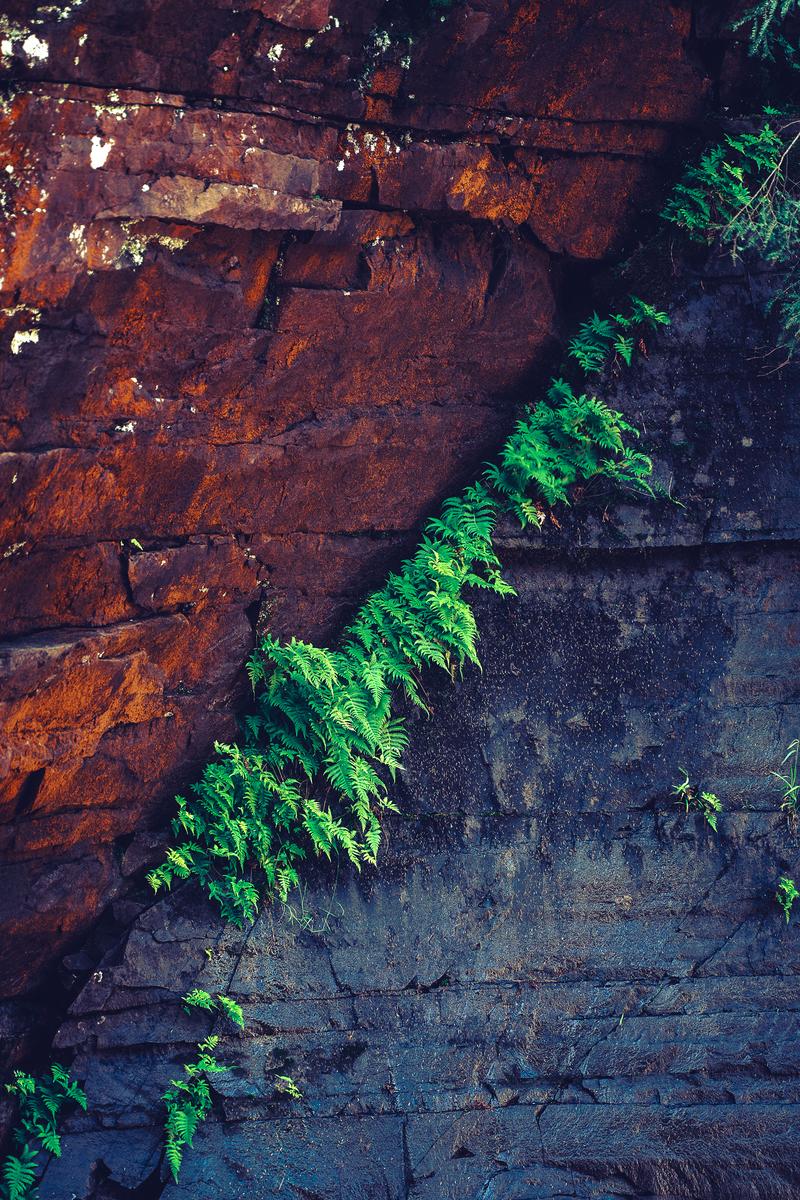
Nature photography covers a lot of ground, literally. One day you’re shooting a great blue heron from 50 yards away, the next you’re framing a macro shot of frost on a fern. Finding the best affordable camera for nature photography means finding something versatile enough for both extremes while staying under a reasonable budget. I’ve been shooting nature across Michigan’s state parks for years, and these are the seven cameras I’d recommend to anyone starting out or upgrading on a budget.
Quick Picks: Top 3
| Camera | Price | Best For |
|---|---|---|
| Sony a6700 | ~$1,400 | Best all-around nature camera |
| Nikon Z50 II | ~$1,050 | Best value for the money |
| Canon EOS R7 | ~$1,300 | Best for wildlife and birds |
How We Evaluated
Nature photography demands more from a camera than almost any other genre. You need fast autofocus for moving wildlife, good dynamic range for high-contrast forest scenes, reach (an APS-C crop factor actually helps here), weather sealing for field conditions, and decent burst rate for capturing fleeting moments. Every camera here was judged on these five criteria plus overall value.
The 7 Best Affordable Cameras for Nature Photography
1. Sony a6700. Best All-Around
The a6700 is the Swiss Army knife of nature cameras. Sony’s real-time tracking AF locks onto birds, deer, insects, basically anything with an eye, and doesn’t let go. The 26MP APS-C sensor has impressive dynamic range for forest canopy shots where the light is dappled and contrasty. The 1.5x crop factor gives your telephoto lenses extra reach (a 200mm lens becomes 300mm effective), which is a genuine advantage for nature work. Five-axis IBIS means you can handhold at slower shutter speeds when the light drops.
Key specs: 26MP APS-C, ISO 100-32,000, 11fps, AI-based real-time tracking AF, 4K/120p, 5-axis IBIS, weather sealed, 570 shots/charge.
- Pros: Industry-leading autofocus with animal/bird eye detection, excellent high-ISO performance, huge E-mount lens selection, solid weather sealing
- Cons: Pricier at $1,400, smaller body may feel cramped with big telephoto lenses, menus take time to learn
- Best for: Serious nature shooters who want the best AF for wildlife and versatility for landscapes
- Price: ~$1,400 body only
2. Nikon Z50 II. Best Value
Nikon’s updated Z50 II is the best value proposition on this list. The EXPEED 7 processor brings subject-detection AF from Nikon’s pro bodies, so it can recognize and track birds and animals. The 20.9MP sensor produces clean, detailed files with very good dynamic range, more than enough for large prints. At $1,050 body-only, it leaves room in your budget for a quality telephoto lens, which is often more important than the body for nature work.
Key specs: 20.9MP APS-C, ISO 100-51,200, 11fps, subject-detection AF (birds, animals), 4K/30p, IBIS, 350 shots/charge.
- Pros: Excellent value at $1,050, subject-detection AF, IBIS, access to Nikon Z-mount and F-mount (via FTZ) lenses, USB-C charging
- Cons: 20.9MP is on the lower end, battery life is modest, buffer fills quickly in burst mode
- Best for: Budget-conscious nature photographers who want modern AF features
- Price: ~$1,050 body only
3. Canon EOS R7. Best for Wildlife & Birds
If your nature photography leans heavily toward birds and wildlife, the R7 is the one to get. Canon’s Dual Pixel CMOS AF II with animal and vehicle detection is incredibly sticky, it tracks birds in flight better than cameras costing twice as much. The 32.5MP APS-C sensor gives you resolution for cropping (critical when your 400mm lens still isn’t long enough), and the 15fps mechanical / 30fps electronic burst rate means you won’t miss the moment a hawk dives.
Key specs: 32.5MP APS-C, ISO 100-32,000, 15fps mechanical / 30fps electronic, Dual Pixel CMOS AF II, 4K/60p, 7-stop IBIS, weather sealed, 500 shots/charge.
- Pros: 32.5MP for cropping power, excellent bird/animal tracking AF, 15fps mechanical burst, strong weather sealing, 7-stop IBIS
- Cons: ~$1,300 is at the top of the budget, rolling shutter in electronic mode, Canon RF-S telephoto lenses are limited (but RF-mount adapts EF glass perfectly)
- Best for: Bird and wildlife photographers who need speed and reach
- Price: ~$1,300 body only
4. Fujifilm X-S20. Best for Versatility
The X-S20 is Fujifilm’s mid-range do-everything body. It has subject-detection AF for wildlife, 6.2K video for nature filmmaking, Fuji’s gorgeous film simulations for beautiful straight-out-of-camera JPEGs, and a 26.1MP sensor that delivers excellent detail. The body is compact enough for trail use, and the battery life (800 shots) is the best on this entire list. If you shoot a mix of landscapes, macro, and wildlife, the X-S20 handles all three well.
Key specs: 26.1MP APS-C X-Trans CMOS 4, ISO 160-12,800, 8fps, subject-detection AF, 6.2K/30p, 5-axis IBIS, 800 shots/charge.
- Pros: Outstanding battery life, gorgeous film simulations, compact body, versatile AF system, excellent video
- Cons: Older X-Trans 4 sensor (vs. X-T5’s newer 5 HR), no weather sealing, limited native telephoto options
- Best for: All-around nature shooters who want versatility and great battery life
- Price: ~$1,300 body only
5. Panasonic Lumix G9 II. Best Micro Four Thirds
The G9 II brought phase-detection autofocus to Panasonic’s Micro Four Thirds lineup, and it’s a game-changer. The 25.2MP sensor with a 2x crop factor turns a 100-400mm lens into a 200-800mm equivalent, incredible reach for bird and wildlife photography. The body has IP53 weather resistance, 100MP high-res mode for landscapes, and the best video specs of any M4/3 body. It’s heavier than typical M4/3 cameras at 658g, but still lighter than most APS-C systems with equivalent telephoto reach.
Key specs: 25.2MP Micro Four Thirds, ISO 100-25,600, 14fps AF-C, phase-detection AF, 5.7K/30p, Dual I.S. 2, weather sealed, 390 shots/charge.
- Pros: Insane telephoto reach with 2x crop, phase-detection AF, IP53 weather sealing, 100MP high-res mode, excellent video
- Cons: Smaller sensor limits high-ISO performance, M4/3 market is shrinking, body is large for the sensor size, ~$1,500 pushes budget
- Best for: Bird photographers who want maximum reach without carrying a 600mm lens
- Price: ~$1,500 body only
6. Canon EOS R10. Best Budget Entry
The R10 gives you Canon’s excellent Dual Pixel CMOS AF II, the same AF system that powers the R7, in a more affordable body. At ~$750, it’s the cheapest camera on this list and leaves you the most budget for lenses. The 24.2MP sensor is capable and Canon’s color science is consistently pleasing for nature tones, greens, browns, and warm golden hour light all look natural. Pair it with the Canon RF 100-400mm f/5.6-8 (~$650) and you have a solid nature setup for under $1,400 total.
Key specs: 24.2MP APS-C, ISO 100-32,000, 15fps electronic / 23fps with crop, Dual Pixel CMOS AF II, 4K/30p, 430 shots/charge.
From the Photographer
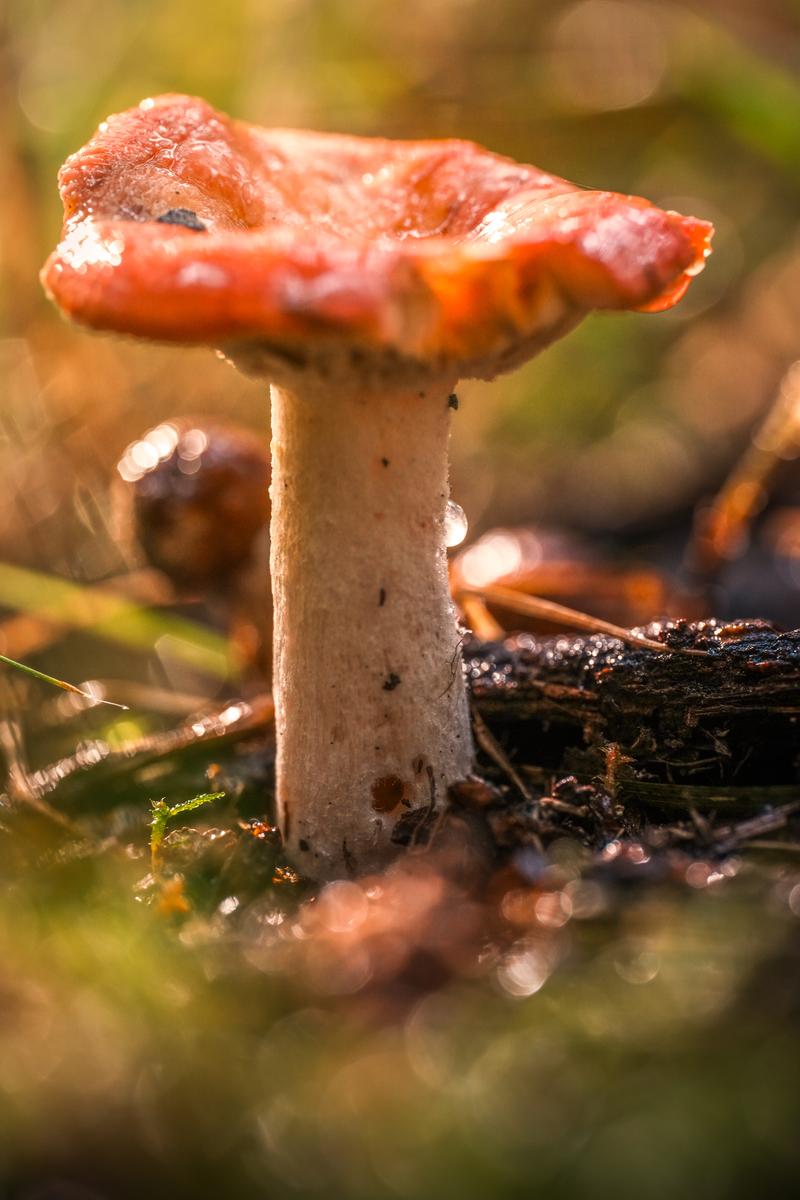
Orange Mushroom Macro
Tiny orange mushroom on the forest floor, a world in miniature
Zeefeldt Photography
. Fine art prints starting at $95
- Pros: Excellent AF for the price, fast burst rate, great Canon color, affordable body leaves budget for lenses, lightweight
- Cons: No IBIS, no weather sealing, small buffer depth, single card slot
- Best for: Budget nature photographers who want pro-level AF without the pro price tag
- Price: ~$750 body only
7. Nikon Z30. Best Compact Nature Camera
The Z30 is Nikon’s most affordable mirrorless body, and while it’s marketed toward vloggers, it’s a surprisingly capable nature camera for the price. The 20.9MP APS-C sensor is proven, subject-detection AF works for birds and animals, and the body is tiny at just 405g. No EVF, just the rear screen, which some photographers will hate, but if you’re willing to adapt, this is a lot of camera for $500. Pair it with the Z DX 50-250mm for a lightweight nature setup.
Key specs: 20.9MP APS-C, ISO 100-51,200, 11fps, subject-detection AF, 4K/30p, no EVF, 330 shots/charge.
- Pros: Incredibly affordable at ~$500, subject-detection AF, lightweight and compact, full Z-mount compatibility
- Cons: No EVF (screen only), no IBIS, no weather sealing, limited battery life
- Best for: Casual nature shooters on a tight budget who value portability
- Price: ~$500 body only
Comparison Table
| Camera | Sensor | Resolution | AF Tracking | IBIS | Weather Sealed | Price |
|---|---|---|---|---|---|---|
| Sony a6700 | APS-C | 26MP | AI Real-Time | Yes | Yes | $1,400 |
| Nikon Z50 II | APS-C | 20.9MP | Subject Detection | Yes | Partial | $1,050 |
| Canon EOS R7 | APS-C | 32.5MP | Dual Pixel II | Yes | Yes | $1,300 |
| Fujifilm X-S20 | APS-C | 26.1MP | Subject Detection | Yes | No | $1,300 |
| Panasonic G9 II | M4/3 | 25.2MP | Phase Detection | Yes | IP53 | $1,500 |
| Canon EOS R10 | APS-C | 24.2MP | Dual Pixel II | No | No | $750 |
| Nikon Z30 | APS-C | 20.9MP | Subject Detection | No | No | $500 |
What to Look for in a Nature Photography Camera
Autofocus Performance
For wildlife and birds, fast and accurate autofocus with subject-tracking is essential. Look for cameras with dedicated animal/bird eye detection. This is the feature that separates a sharp keeper from a blurry miss when a deer bolts or a heron takes flight.
Crop Factor Advantage
APS-C cameras give you a 1.5x crop factor (1.6x for Canon), which effectively increases your telephoto reach for free. A 200mm lens becomes 300mm on APS-C. For nature photography where reach is often the bottleneck, this is a genuine advantage over full-frame.
Build Quality and Weather Sealing
You’ll be out before dawn, in fog, in drizzle, in dusty prairie winds. A weather-sealed body gives you peace of mind. If weather sealing isn’t in your budget, at least carry a rain cover.
Battery Life
Nature photography often means long hours in the field waiting for the right moment. A camera with 400+ shots per charge, or the ability to charge via USB-C from a power bank, is important. Carry at least one spare battery regardless.
If you prefer mirrorless over DSLR, our best budget mirrorless camera for photography guide covers the top affordable mirrorless bodies.
Frequently Asked Questions
What’s the difference between a nature photography camera and a wildlife camera?
Nature photography is broader, it includes landscapes, macro, plants, insects, weather, and wildlife. A wildlife-specific camera prioritizes fast autofocus and burst rate for moving animals, while a general nature camera needs versatility across multiple shooting scenarios.
Is APS-C or full-frame better for nature photography?
APS-C is often better for nature photography because the crop factor gives you extra telephoto reach. Full-frame has advantages in dynamic range and low light, but for the price of a budget full-frame body, you can get a better APS-C body plus a quality telephoto lens, and the lens matters more.
What lens should I buy first for nature photography?
A 70-300mm or 100-400mm telephoto zoom is the most versatile first lens for nature work. It handles wildlife, birds, distant landscapes, and even some macro-ish close-ups. Sigma’s 100-400mm f/5-6.3 and Canon’s RF 100-400mm f/5.6-8 are both excellent budget options under $700.
Can I use a phone for nature photography?
Modern phones are great for landscapes and close-up macro, but they can’t match a dedicated camera for wildlife. No phone can replicate a 400mm telephoto lens or track a bird in flight at 15fps. If you’re mostly shooting close-up nature scenes and landscapes, a phone is fine. For wildlife at a distance, you need a camera.
How much should I budget for a complete nature photography setup?
A solid starter setup, body, telephoto zoom, and basic tripod, runs $1,200-$2,000. Something like the Canon R10 ($750) + RF 100-400mm ($650) + budget tripod ($80) = $1,480 total. That’s a genuinely capable nature photography kit.
Final Verdict
The best affordable camera for nature photography depends on your primary subjects. For the most versatile all-around pick, the Sony a6700 delivers the best autofocus, solid image quality, and works equally well for landscapes and wildlife.
If budget is the top concern, the Nikon Z50 II at $1,050 gives you modern AF features and great image quality with room left over for a telephoto lens.
And if birds and wildlife are your main focus, the Canon EOS R7 with its 32.5MP sensor and 15fps burst is the best sub-$1,500 wildlife camera you can buy. Period.
Related Guides
Browse more nature photography tutorials, gear reviews, and field tips.
Download our guide: exposure, ISO, and aperture strategies for every light condition and terrain.
We respect your inbox. One guide, occasional tips, unsubscribe anytime.