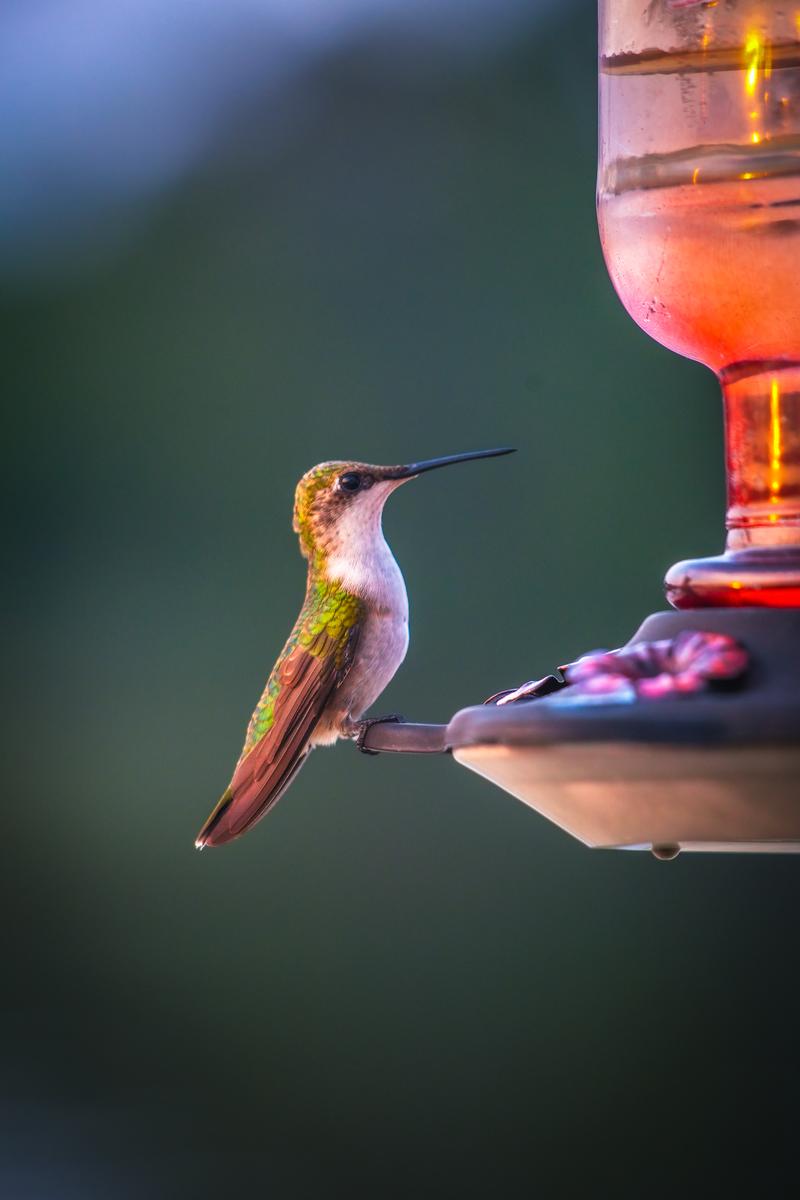
Bird photography demands more from a telephoto lens than almost any other nature photography discipline. Your subject is small, fast, often distant, and frequently in poor light. The lens that performs well enough for landscapes or even mammals may struggle to track a sparrow breaking from a hedgerow or render the fine detail in a raptor’s plumage. This guide covers the best telephoto lenses for bird photography in 2026 – from capable budget options to professional primes – with the specific performance criteria that matter most for this demanding subject.
The stakes are high. A great bird photography lens enables shots that would otherwise be impossible; an underperforming one costs you keepers from sessions that may never repeat. Understanding what separates good bird lenses from great ones helps you invest wisely regardless of budget.
What Makes a Great Bird Photography Lens?
Several performance criteria distinguish bird photography lenses from general telephoto options:
- AF speed and accuracy: The most important single characteristic. Bird photography – particularly birds in flight – demands autofocus that acquires, locks, and tracks quickly. A lens with optically superior glass but slow AF will produce a higher ratio of soft images from missed tracking than a slightly softer lens with fast, accurate AF. Always check current AF performance reviews with your specific camera body, as lens-body AF performance varies significantly across systems.
- Maximum focal length: Birds require reach. At 300mm, most passerines require you to approach within 5–10 meters for a frame-filling shot – rarely achievable without disturbing the subject. At 600mm, your working distance increases to 15–30 meters, a far more practical range. The sweet spot for most bird photographers is 500–600mm effective focal length.
- Image stabilization: Long telephoto lenses amplify camera shake dramatically. Image stabilization (optical in the lens, IBIS in the body, or both working together) allows handheld shooting at shutter speeds that would otherwise produce camera shake – meaningful for low-light bird sessions where every stop of light matters.
- Minimum focus distance: A lens’s minimum focus distance determines how close you can get to subjects – relevant for ground-nesting birds, ducks on ponds, and close perched subjects. A 200–600mm zoom that focuses to 2.4m enables intimate compositions impossible with lenses that only focus to 4m+.
- Build quality and weather sealing: Bird photography happens in wet fields, cold mornings, and dusty habitats. A weather-sealed lens protects the optics and mechanisms from moisture, dust, and temperature extremes. This matters more for bird photography than for any other nature discipline because you’ll regularly shoot in adverse conditions to catch early morning activity.
- Weight: You’ll carry your lens for hours, often over uneven terrain. An 8-pound prime may produce sharper images than a 6-pound zoom, but if fatigue limits your shooting hours or prevents you from hiking to productive locations, the weight difference is a real cost.
Best Telephoto Lenses for Bird Photography (2026)
1. Sony FE 200–600mm f/5.6–6.3 G OSS – Best Overall Superzoom
The Sony FE 200–600mm G OSS has maintained its position as the benchmark for bird photography superzooms since its introduction. Its combination of optical quality, AF performance with Sony bodies, and build quality remains unmatched in the superzoom category. The built-in optical stabilization works in tandem with Sony’s IBIS for up to 5.5 stops combined stabilization – meaningful for handheld shooting at 600mm in dim morning light. The 240cm minimum focus distance enables close-quarters perched bird portraits that longer minimum-focus lenses cannot achieve.
On Sony A1 and A9 III bodies, AF performance is exceptional – animal eye tracking holds reliably on birds in flight across a wide range of conditions. On older Sony bodies (A7 III era), tracking is still capable but less consistent. The lens weighs 2.1kg (4.6 lbs) – manageable handheld with a monopod for extended sessions. This is the single best bird photography lens for Sony system shooters at any budget who aren’t ready to invest in a professional prime.
2. Nikon Z 180–600mm f/5.6–6.3 VR – Best for Nikon Z System
The Nikon Z 180–600mm is Nikon’s direct answer to the Sony 200–600mm and it matches or exceeds it in key performance areas. Its AF performance with Z8 and Z9 bodies in bird tracking mode is among the best available – the combination of Nikon’s subject recognition and this lens’s responsive AF motor produces a high keeper rate for birds in flight. The VR (Vibration Reduction) system provides up to 5 stops of stabilization working with in-body IBIS, and the 180mm minimum focal length (vs. 200mm on the Sony) provides more versatility in close-quarters situations. At 2.1kg and excellent build quality with weather sealing, it matches the Sony’s physical characteristics closely. The Nikon Z 180–600mm is the first choice for Nikon Z system bird photographers.
3. Canon RF 100–500mm f/4.5–7.1 L IS USM – Best Compact Canon Option
The Canon RF 100–500mm L takes a different approach: rather than maximizing reach at 600mm, it optimizes for compactness and versatility at 500mm. The result is significantly lighter (1.53kg vs. 2.1kg for the Sony and Nikon options), genuinely hand-holdable for extended sessions without a monopod, and capable of 1.4x teleconverter use – extending reach to 700mm on a body that accepts the TC (R3, R5 Mark II, R6 Mark II). The optical quality is L-series: outstanding edge-to-edge at all focal lengths, with minimal chromatic aberration and excellent contrast. The trade-off is f/7.1 maximum aperture at 500mm – requiring higher ISO in low light than f/6.3 competitors, and limiting teleconverter use to bodies with sufficient PDAF coverage at f/11.
For Canon R system photographers who prioritize handling and versatility over maximum reach, the RF 100–500mm L is the practical everyday bird lens. Its quality and flexibility outweigh the reach disadvantage in most real-world shooting scenarios.
4. Sigma 150–600mm f/5–6.3 DG DN OS Sports – Best Third-Party Option
The Sigma 150–600mm Sports DN is the most compelling third-party option for bird photography in 2026. Available natively for Sony E-mount and Leica L-mount, it delivers optical performance that challenges Sony’s G-series at a meaningfully lower price. The Sports designation reflects its weather-sealing, robust build quality, and AF performance optimization – this is Sigma’s professional-grade telephoto, not a budget compromise. AF performance on current Sony bodies with bird detection enabled is slightly behind Sony’s first-party lens but competitive for perched birds and slower-moving subjects. For photographers newer to bird photography or those with budget constraints, the image quality-to-price ratio is exceptional.
5. Tamron 150–500mm f/5–6.7 Di III VC VXD – Budget Superzoom Pick
The Tamron 150–500mm is the best value bird photography lens available. Its optical quality is surprisingly strong – competitive with more expensive options for static and slow-moving subjects. AF performance with Sony and Nikon Z bodies has improved significantly through firmware updates and is now capable for many bird photography scenarios, though it falls behind first-party and Sigma Sports options for challenging birds-in-flight tracking. Weight is a genuine advantage: at 1.57kg, it’s lighter than all the other options in this category.
For photographers just starting bird photography or those shooting on a tight budget, the Tamron 150–500mm enables quality bird images at a price that allows budget for a solid tripod and accessories. As skills and commitment develop, upgrading to a first-party lens is a logical next step.
6. Canon RF 600mm f/4 L IS USM – Best Professional Prime
The Canon RF 600mm f/4 L represents what’s possible when optical compromise is removed from the equation. Fixed 600mm focal length, constant f/4 aperture (1.3–2 stops brighter than f/5.6–6.3 zooms), and L-series optical design deliver the sharpest, most detailed bird images of any option on this list. The f/4 aperture enables 1/4000s exposures at ISO 1600 in conditions where a zoom needs ISO 6400 – a 2-stop advantage that translates directly to cleaner, more detailed feather rendition. Used with Canon’s 1.4x teleconverter (maintaining f/5.6 AF performance), it extends to 840mm f/5.6 – remarkable reach with a maintained aperture.
The cost is significant – both financial (professional prime pricing) and physical (3.09kg, requiring a gimbal head for sustained use). This lens is for dedicated bird photographers who have identified their ceiling with superzoom options and are ready to invest in maximum optical performance. For those who are: the images it produces justify the investment.
How to Choose the Right Lens for Your Setup
Your choice should be driven by three factors: system compatibility, budget, and primary bird photography subjects. Key decision framework:
- Sony E-mount: Sony FE 200–600mm G OSS (first choice for performance), Sigma 150–600mm Sports DN (strong value alternative), Tamron 150–500mm (budget entry).
- Nikon Z-mount: Nikon Z 180–600mm VR (clear first choice, no strong competition at this focal range).
- Canon RF-mount: Canon RF 100–500mm L IS (best overall for versatility and handling), Canon RF 600mm f/4 L (for serious dedicated use).
- Budget under $1,000: Tamron 150–500mm (Sony/Nikon) or Sigma 150–600mm C series (adapted to various mounts).
- Primarily shorebirds and waterfowl (closer approach possible): A 400–500mm effective focal length is often sufficient. The Canon RF 100–500mm or Sony 200–600mm at its shorter end handles these scenarios well.
- Primarily raptors, wading birds, or species requiring maximum reach: 600mm is the minimum practical focal length. Sony 200–600mm, Nikon Z 180–600mm, or a professional 600mm prime.
Accessories That Pair Well With Bird Photography Lenses
Three accessories meaningfully improve bird photography results regardless of which lens you choose:
- Gitzo GT3543LS Systematic Tripod – A professional-grade systematic tripod that handles the weight of long telephoto lenses without flex. The 3-series load capacity supports a 600mm prime with body; the carbon fiber construction keeps weight manageable for carrying to shooting locations. A quality tripod extends your keeper rate in stationary situations – waterhole blinds, nest photography, perch setups – where every pixel of sharpness is available.
- Wimberley WH-200 Gimbal Tripod Head – The standard gimbal head for long telephoto lens bird photography. A gimbal head supports the weight of the lens and body assembly while allowing effortless, dampened panning and tilting – you can track a flying bird in any direction without the friction and tightening of a standard ball head. The Wimberley WH-200 is the benchmark gimbal for telephoto bird photography: balanced, smooth, and reliable across a decade of use.
- Peak Design Capture Clip – Keeps your camera and lens immediately accessible on a backpack strap during hikes to shooting locations. Bird photography requires instant readiness – a camera buried in a bag means missing the unexpected flush or the perch in ideal light that appears for 30 seconds. The Capture Clip slides the camera on and off a belt or strap mount quickly and holds it securely while hiking.
Frequently Asked Questions
What focal length is best for bird photography?
500–600mm is the practical sweet spot for most bird photography. At 600mm, you have sufficient reach for birds at typical approach distances (15–50 meters) while maintaining f/5.6–f/6.3 aperture for reasonable low-light performance. Shorter focal lengths (300–400mm) work well for large, approachable species like herons, swans, and raptors on posts. Longer focal lengths (800mm+) are specialty tools for extremely wary species. Most serious bird photographers center their system around a 500–600mm maximum.
Can I use a crop sensor camera with a telephoto lens for birds?
Yes – and the 1.5x or 1.6x crop factor effectively extends reach. A 600mm lens on an APS-C camera provides the equivalent field of view of a 900mm lens on full-frame, which is a significant advantage for small or distant birds. The trade-off is high-ISO performance – APS-C sensors produce more noise than full-frame at equivalent ISO settings, which matters in low-light bird photography. Many professional bird photographers use APS-C bodies specifically for the reach advantage in good light while reaching for full-frame bodies in dim conditions.
Is image stabilization necessary for bird photography?
Optical image stabilization (in the lens) or IBIS (in-body) is highly beneficial for bird photography – particularly for perched birds in low light and panning shots. For birds in flight, IS/IBIS helps primarily with camera shake rather than subject motion, and most modern systems handle this effectively. When shooting handheld at 600mm at shutter speeds below 1/1000s, stabilization is the difference between consistently sharp and consistently soft. All the recommended lenses above include optical stabilization; combining lens IS with body IBIS (on Sony and Nikon systems) provides the best results.
What is the best budget telephoto lens for bird photography?
The Tamron 150–500mm f/5–6.7 Di III VC VXD is the best value bird photography lens in 2026, available for Sony E-mount and Nikon Z-mount. It delivers optical quality and AF capability sufficient for most bird photography at a price significantly below first-party and Sigma Sports alternatives. For photographers on tighter budgets, used examples of the previous generation Sigma 150–600mm Contemporary series (adapted to mirrorless via reliable adapters) can provide 600mm reach at a very accessible price point, though AF performance will lag behind native-mount modern options.
Browse more nature photography tutorials, gear reviews, and field tips.
Download our guide: exposure, ISO, and aperture strategies for every light condition and terrain.
We respect your inbox. One guide, occasional tips, unsubscribe anytime.