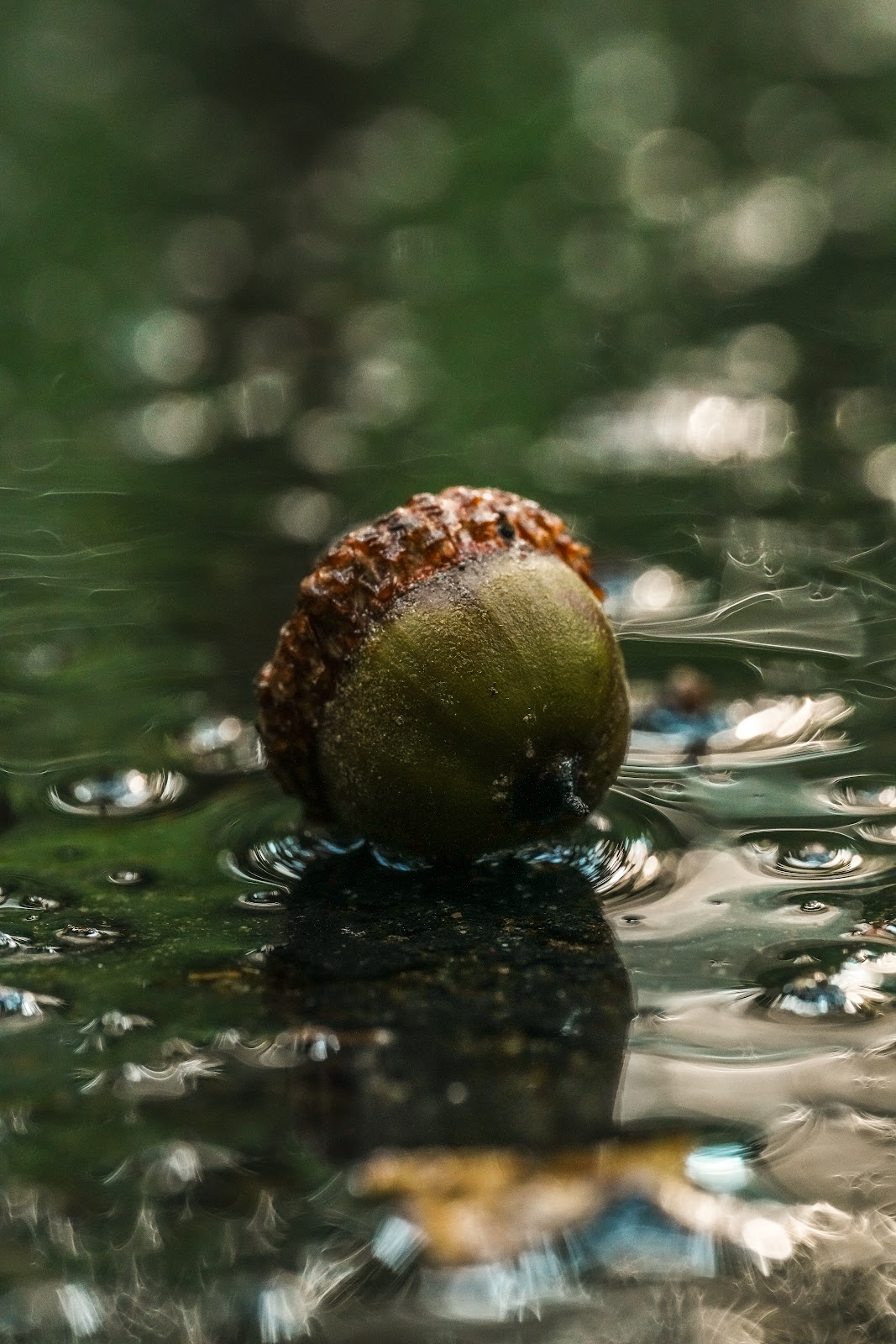
Macro photography opens up a world most people walk past without seeing. The texture of a bee’s eye. The geometry at the center of a wildflower. Dewdrops on a spider web at sunrise. Ice crystals forming on a winter leaf. These images are available to any photographer with the right gear and the patience to get close, and spring is one of the best seasons to shoot them, with fresh flowers, insects emerging, and morning dew on everything.
This guide covers the complete macro photography gear ecosystem, from your first macro lens to a professional close-up system.
What Is Macro Photography, Actually?
True macro photography means capturing subjects at 1:1 life-size reproduction ratio, the image projected onto your sensor is the same size as the real-world subject. A bee at 1:1 fills your frame the same size as it appears in real life. Most lenses marketed as “macro” that aren’t true macro (like 1:4 or 1:2 lenses) still produce great close-up shots, but they won’t achieve the extreme magnification of a dedicated 1:1 macro lens.
The Macro Lens: Your Starting Point
A dedicated 1:1 macro lens is the foundation of any macro kit. They’re sharp across their entire focus range, work as normal primes when not doing macro work, and are available at every price point. Focal length choice matters for working distance:
- 50–60mm macro: Short working distance (5–8cm), great for static subjects like flowers and objects, frustrating for insects that flee when you get that close
- 90–105mm macro: Medium working distance (15–20cm), the all-around sweet spot, works well for both subjects and shy insects
- 150–180mm macro: Long working distance (30–40cm), best for live insects, dragonflies, butterflies; you can fill the frame without disturbing them
Best Macro Lenses by System
| Lens | Focal Length | Magnification | Price |
|---|---|---|---|
| Sony FE 90mm f/2.8 Macro G OSS | 90mm | 1:1 | ~$1,100 |
| Canon RF 100mm f/2.8L Macro IS USM | 100mm | 1.4:1 | ~$1,200 |
| Nikon Z MC 105mm f/2.8 VR S | 105mm | 1:1 | ~$1,000 |
| Fujifilm XF 80mm f/2.8 R LM OIS WR Macro | 80mm (120mm equiv.) | 1:1 | ~$1,100 |
| Sigma 105mm f/2.8 DG DN Macro Art | 105mm | 1:1 | ~$750 |
| Tamron 90mm f/2.8 Di III VXD Macro | 90mm | 1:1 | ~$650 |
| Laowa 100mm f/2.8 2× Ultra Macro APO | 100mm | 2:1 | ~$400 |
Sony FE 90mm Macro G OSS | Sigma 105mm Macro Art | Tamron 90mm Macro VXD | Laowa 100mm 2x Ultra Macro
Fine Art Nature Prints
Zeefeldt Photography
Museum-quality landscape, wildlife, and macro prints, from $95. Ships ready to hang.
Budget Alternatives: Getting Into Macro Without a Dedicated Lens
Extension Tubes
Extension tubes fit between your camera body and any existing lens, moving the lens farther from the sensor and enabling closer focus. They don’t contain any glass, so there’s no optical degradation, you’re just borrowing macro capability from lenses you already own. A set of 3 extension tubes costs $15–40 and turns a 50mm prime into a capable macro lens. Limitations: you lose infinity focus and autofocus may slow or stop working depending on the lens.
Vello Extension Tube Set. Sony E | Kenko Extension Tube Set. Canon RF
Close-Up Filters (Diopters)
Screw-on close-up filters work like reading glasses for your lens, they allow closer minimum focus distance. Cheap diopters degrade image quality noticeably. Quality two-element achromatic diopters (like the Canon 500D or Marumi DHG Super) maintain sharpness well. Best used with telephoto lenses (70-200mm) for moderate macro magnification.
Canon 500D Close-Up Lens 77mm | Marumi DHG Super Achromat +3 77mm
Reversing Ring
A reversing ring mounts a standard lens backwards onto your camera, dramatically increasing magnification. A 50mm lens reversed gives you approximately 1:1 macro. Very cheap ($10–20), works with any lens, but you lose AF and metering, and the front element of your lens is now unprotected. Best for experimentation and learning, not for serious work.
Lighting for Macro: The Critical Piece
At macro distances, depth of field becomes extremely shallow, sometimes only millimeters, and your lens blocks natural light from reaching the subject. Dedicated macro lighting solves both problems.
Ring Flash / Ring Light
A ring-shaped flash that mounts on the front of your lens, surrounding the subject with even, shadowless light. Great for product-style macro shots and scientific documentation. Can look flat and artificial for artistic work.
Godox MF-R76S Ring Flash for Sony | Meike MK-14EXT Ring Flash
Twin Flash System
Two small flash heads on adjustable arms that mount to the lens. More flexible than ring flash, you can create directional light, side lighting, or simulate natural window light. The standard choice for serious macro photographers.
Sony HVL-MT24AM Twin Flash (used) | Canon MR-14EX II Macro Ring Lite
Diffused Natural Light
For flower and botanical macro work outdoors, diffused natural light, overcast sky or direct sun diffused through a portable diffusion panel, is the most beautiful option. A small 12-inch diffusion disc held over the subject by an assistant or a small stand produces studio-quality light in the field.
Stabilization: Critical at Macro Distances
At 1:1 magnification, every slight movement is massively amplified. Even your heartbeat can introduce blur. Options for sharp macro shots:
- Tripod with focusing rail, a focusing rail lets you make tiny precise forward/backward adjustments by turning a knob, rather than touching the focus ring. Essential for static macro subjects. Neewer 4-Way Macro Focusing Rail
- In-body image stabilization (IBIS), modern cameras with IBIS can achieve sharp handheld macro shots at reasonable shutter speeds. Use 1/250s+ for handheld macro.
- Electronic first curtain shutter, eliminates shutter shock vibration. Use this when shooting on a tripod.
Focus Stacking for Maximum Depth of Field
Macro photographers often use a technique called focus stacking, taking multiple shots at slightly different focus distances and blending them in software to produce a single image with front-to-back sharpness that’s impossible in a single exposure. Several cameras (Sony, Nikon, Canon, OM System) now have in-camera focus stacking. In software, Zerene Stacker and Helicon Focus are the standard tools.
OM System OM-5. In-Camera Focus Stacking
The Complete Macro Kit by Level
Starter ($400–800)
- Extension tube set for your existing lens. Check price on Amazon →
- Tamron 90mm f/2.8 Macro. Check price on Amazon →
- Diffusion disc for outdoor work. Check price on Amazon →
- Small travel tripod + focusing rail. Check price on Amazon →
Intermediate ($1,500–2,500)
- Sony/Nikon/Canon dedicated macro lens (90–105mm). Check price on Amazon →
- Twin flash system. Check price on Amazon →
- Sturdy tripod + macro focusing rail. Check price on Amazon →
- Remote shutter release. Check price on Amazon →
Pro ($3,000+)
- Laowa 100mm 2:1 or Canon RF 100mm L 1.4:1 macro. Check price on Amazon →
- Camera with in-camera focus stacking (OM System OM-1). Check price on Amazon →
- Full twin flash rig with diffusers. Check price on Amazon →
- Stackshot motorized focusing rail for automated stacking. Check price on Amazon →
Frequently Asked Questions
What is the best macro lens for beginners?
The Tamron 90mm f/2.8 Di III VXD (~$650) is the best value entry point for Sony E-mount. The Sigma 105mm f/2.8 Art is excellent across systems. If you want to start cheaper, a set of extension tubes with any normal prime lens is a valid starting point while you learn the technique.
Can I do macro photography with a kit lens?
Sort of, kit lenses typically have a maximum magnification of 1:3 to 1:4, which is decent for flower photography but not true macro. Adding extension tubes to your kit lens gets you much closer for minimal cost.
Why are my macro photos always blurry?
Depth of field at macro distances is measured in millimeters, not meters. At 1:1 magnification with an f/5.6 aperture, your depth of field may be less than 2mm. Focus precisely on the most important part of the subject (usually the eye of an insect, or the center of a flower), use the smallest aperture you can while maintaining enough light, and use a tripod with a cable release to eliminate all camera movement.
Browse more nature photography tutorials, gear reviews, and field tips.
Download our guide: exposure, ISO, and aperture strategies for every light condition and terrain.
We respect your inbox. One guide, occasional tips, unsubscribe anytime.
Related Guides
 Best Polarizing Filters for Nature Photography (2026): 6 CPL Filters Compared
 How to Photograph the Milky Way: Settings, Planning & Post-Processing
 Mastering Long Exposure Photography: A Complete Guide to Silky Water & Dramatic Skies